

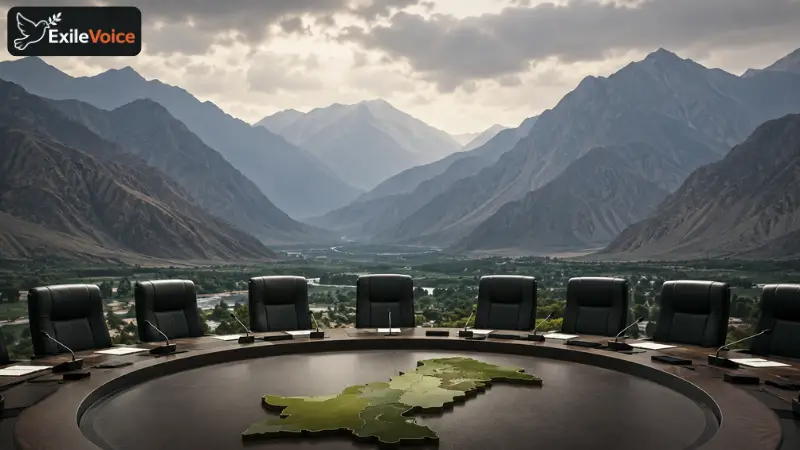
The political landscape of Pakistan continues to experience intense debates surrounding regional administration, constitutional structures, and federal dynamics. Discussions concerning administrative restructuring and the potential creation of new administrative units have elicited varied responses from political stakeholders across different provinces. Proponents of administrative decentralization argue that smaller administrative units can improve local governance efficiency and service delivery, while critics stress the importance of constitutional consensus and genuine public mandate before undertaking significant structural changes.
At the same time, statements regarding inter-provincial relations and security dynamics have sparked heated political reactions among regional representative. Political commentators note that fostering national cohesion requires constructive dialogue, respect for federal principles, and inclusive policymaking that addresses the grievances of all federating units. As political actors maneuver ahead of upcoming legislative and administrative milestones, the balance between centralized authority and provincial autonomy remains a defining issue in the country's political evolution.

