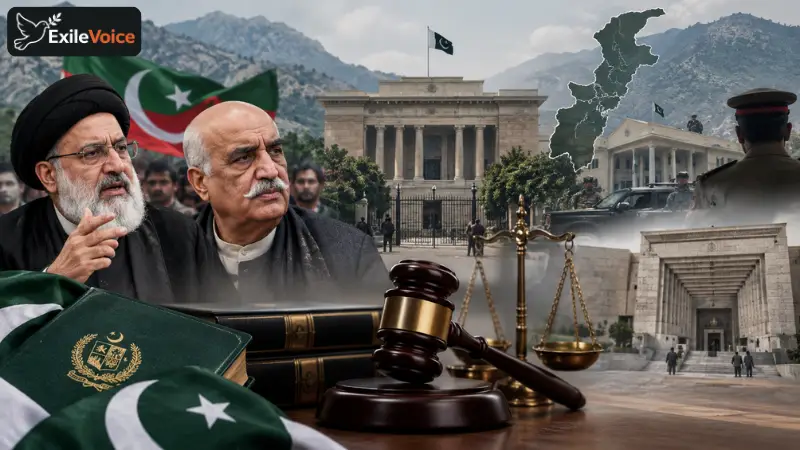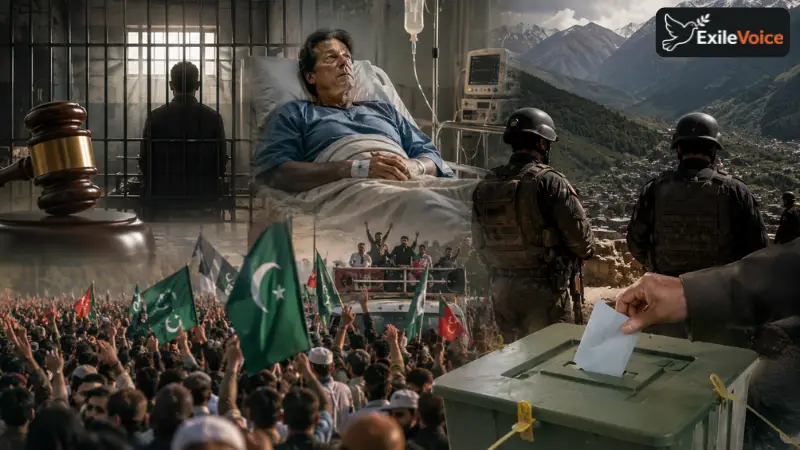
In addition to major shifts in Middle Eastern security architecture, domestic political developments in Pakistan continue to capture public and media attention. Recent reports concerning the health and medical access of incarcerated political figures have triggered intense public debate and friction among political commentators, legal advocates, and state institutions. Allegations surrounding the transfer of high-profile political prisoners to medical facilities such as the Pakistan Institute of Medical Sciences (PIMS) for acute health conditions have highlighted ongoing concerns regarding transparency, prisoner welfare, and institutional accountability.
Legal and political analysts note that information regarding the health status of imprisoned leaders often stems from informal leaks and unverified sources within political and security circles. While family members and party representatives frequently dispute these reports to counter perceived psychological pressure or manage public sentiment, civil society organizations emphasize the fundamental necessity of transparent, unhindered medical access. Ensuring that detained individuals receive independent medical evaluations is vital for upholding basic human rights and maintaining institutional credibility.
Simultaneously, electoral and administrative challenges in Azad Kashmir have compounded the domestic political climate. Ongoing political unrest, public demonstrations, and security operations in specific constituencies have disrupted the scheduled electoral timeline. Reports of heightened security measures and the detention of young activists in various districts have created an atmosphere of political tension, prompting calls for electoral transparency and administrative restraint from local authorities.
The interplay between high-stakes regional diplomacy and turbulent domestic politics illustrates the complex challenges facing Pakistan's political landscape. As state institutions navigate complex foreign policy alignments in the Middle East, managing domestic dissent, ensuring judicial and medical transparency for political detainees, and maintaining constitutional order in administered territories remain critical priorities for long-term national stability.