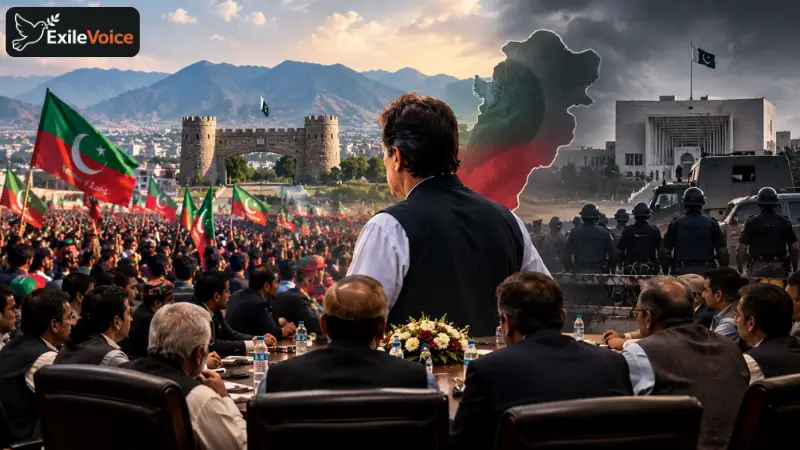
The political landscape in Pakistan is undergoing a decisive shift following a high-stakes strategy session held by the Pakistan Tehreek-e-Insaf (PTI) leadership in Peshawar. As regional friction mounts and domestic pressure intensifies on the ruling coalition, the choices made in this northern capital represent far more than routine party coordination. They signal a recalibration of political tactics designed to test the resilience of the central government and re-establish momentum for the opposition movement.
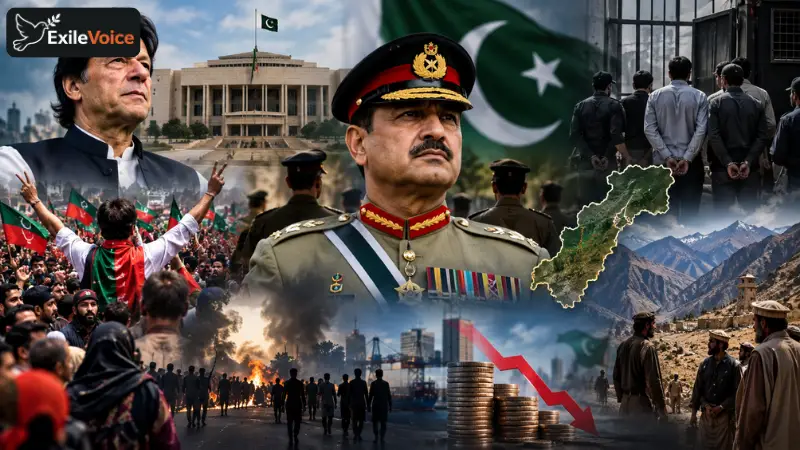
At the core of the Peshawar consultations is the strategic alignment between the provincial administration of Khyber Pakhtunkhwa and the central opposition command. Facing prolonged legal challenges, administrative restrictions, and the continued imprisonment of key leadership figures, the opposition has recognized that conventional political agitation requires a refreshed structural framework. By utilizing Khyber Pakhtunkhwa as an operational base, the party leverages its institutional stronghold to bypass federal roadblocks that have previously constrained its public mobilization efforts.
A central element of this updated posture involves street level mobilization combined with institutional resistance. Analysts monitoring the developments indicate that the strategy deliberate avoids scattered, uncoordinated street demonstrations in favor of structured, high-yield political assemblies. The goal is twofold: to demonstrate enduring popular support while applying sustained pressure on federal law enforcement agencies and judicial mechanisms.
The timing of this tactical realignment coincides with growing economic discontent across urban and rural sectors. Rising energy tariffs, persistent inflationary pressures, and stagnant wage growth have created a volatile social climate. The opposition's Peshawar declaration seeks to channel these broader economic grievances into a coherent political mandate. By linking governance failures at the center to local socio-economic strain, the party aims to build a broader coalition that extends beyond its traditional core supporters.
Furthermore, internal dynamics within the opposition alliance appear to be undergoing significant rationalization. The Peshawar gathering served as a clearinghouse for internal disputes, unifying regional party organs under a single operational command. Reports suggest that key tasks have been assigned to provincial leaders, establishing explicit performance metrics for future street rallies and regional outreach campaigns. This level of institutionalization reflects a maturity in opposition planning, transitioning from ad-hoc responses to structured long-term strategy.
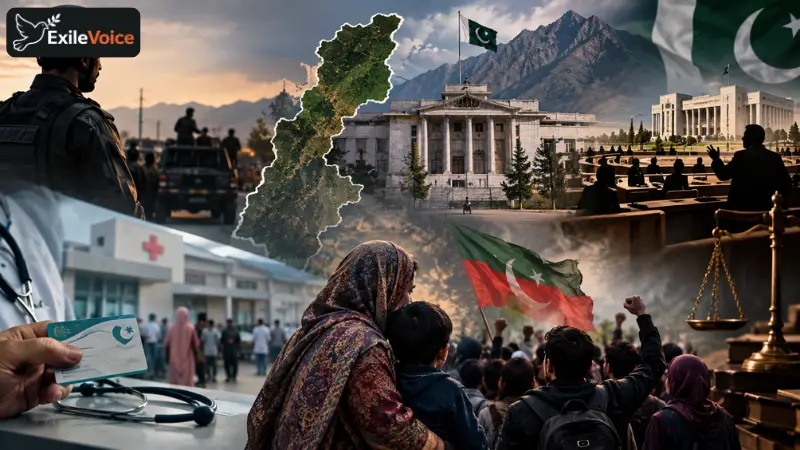
However, the opposition faces significant headwinds. The federal government, backed by state machinery, continues to deploy stringent legal and administrative countermeasures. Road closures, preventive detentions, and communication throttles remain standard components of the state's control apparatus. How effectively the opposition's newly devised Peshawar roadmap navigates these systemic barriers will dictate the trajectory of Pakistani politics over the coming quarters.
If the Peshawar session succeeds in operationalizing a unified, resilient protest mechanism, the federal government will face unprecedented pressure to negotiate structural political compromises. Conversely, if public participation fails to reach critical mass, the central government may consolidate its authority further, leaving the opposition sidelined in provincial pockets. The coming weeks will reveal whether the Peshawar strategy represents a genuine turning point or another chapter in Pakistan's ongoing political impasse.