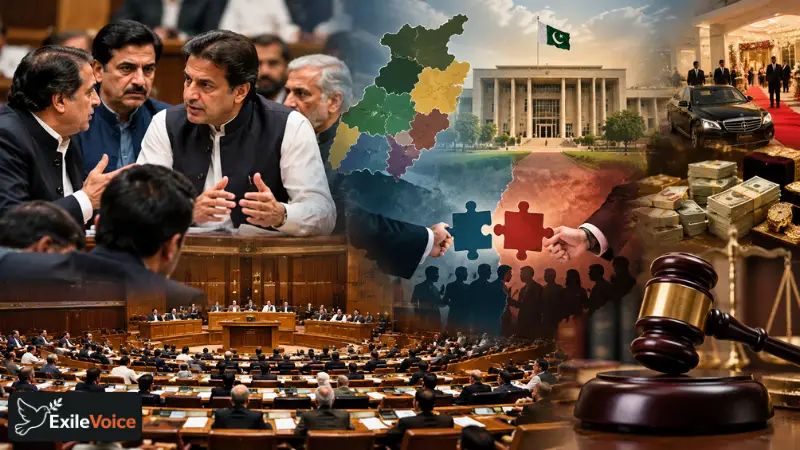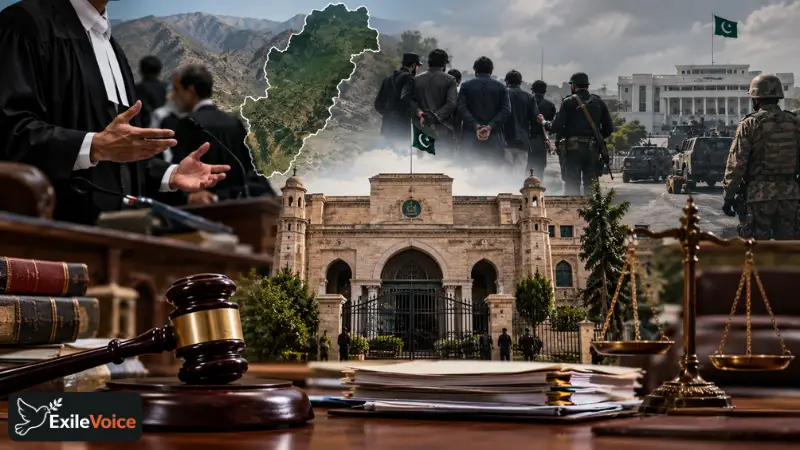
Recent legal developments in the Peshawar High Court have highlighted deep institutional challenges following the imposition of emergency and gubernatorial rule in Khyber Pakhtunkhwa. Legal representation for the political leadership, including prominent barristers and senior advocates, argued before the judiciary that the simultaneous suspension of the provincial cabinet and chief minister without proper gubernatorial documentation violates constitutional principles of provincial autonomy. The petitioners emphasized that determining whether administrative control has broken down remains the constitutional prerogative of the provincial government rather than federal intervention.
Despite detailed submissions regarding sudden administrative overhauls, including the replacement of numerous deputy commissioners and the detention of key parliamentary figures, the bench issued extended adjournments. Legal observers noted that splitting cases across different judicial benches with lengthy postponement dates effectively sidelines immediate judicial relief. Furthermore, concerns regarding the personal safety and whereabouts of detained local figures, such as parliamentary speakers and members, underscore a climate of mounting legal ambiguity. Critics argue that these prolonged judicial timelines fail to address urgent constitutional grievances, leaving regional governance in a state of suspended animation while federal and military oversight consolidates power across resource-rich districts.