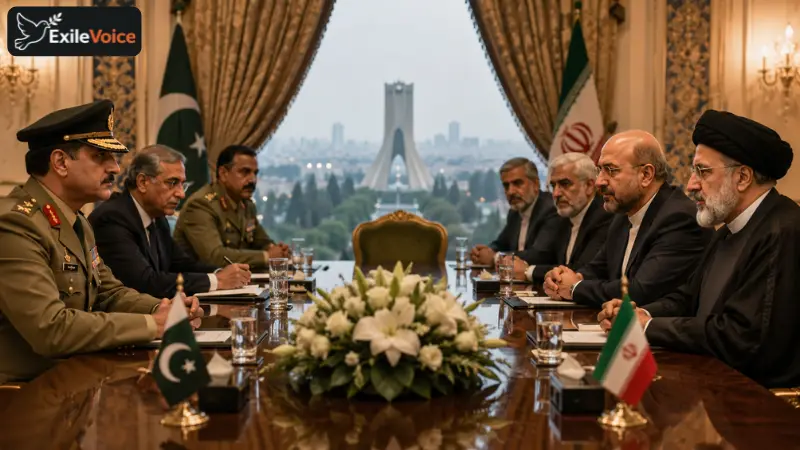
The geopolitical landscape of the Middle East is witnessing a significant shift following a high-stakes diplomatic mission by Pakistan’s Chief of Army Staff, General Asim Munir, to Tehran. Operating as a de facto lead state representative, the Army Chief engaged in crucial discussions with Iran's senior leadership, including President Ebrahim Raisi and Parliamentary Speaker Mohammad Bagher Ghalibaf. International news outlets, such as Al Arabiya, initially reported that the talks yielded a foundational breakthrough aimed at de-escalating long-standing frictions between Iran and Western powers, spearheaded by the United States.
According to global media briefs, the initial framework discussed in Tehran suggests extraordinary concessions from both sides. Iran has reportedly considered suspending its uranium enrichment program for a minimum duration of ten years and reopening the strategically vital Strait of Hormuz to ensure unhindered international maritime commerce. In return, the United States would initiate a phased withdrawal of military forces from specified regional zones, alongside a substantial relaxation of economic sanctions and the unfreezing of billions of dollars in Iranian assets.
Sources indicate that a strict 60-day window has been established for both parties to review drafts, exchange working protocols, and convene for a conclusive round of negotiations to finalize a formal treaty. Although state-aligned Iranian news agencies quickly downplayed the reports, clarifying that official drafts are still being exchanged and no definitive pact has been signed, the Inter-Services Public Relations (ISPR) confirmed the meetings were highly substantive. The diplomatic maneuvering highlights Pakistan's evolving role, where its military leadership directly facilitates complex international mediation, signaling an assertive posture in regional conflict resolution and statecraft.