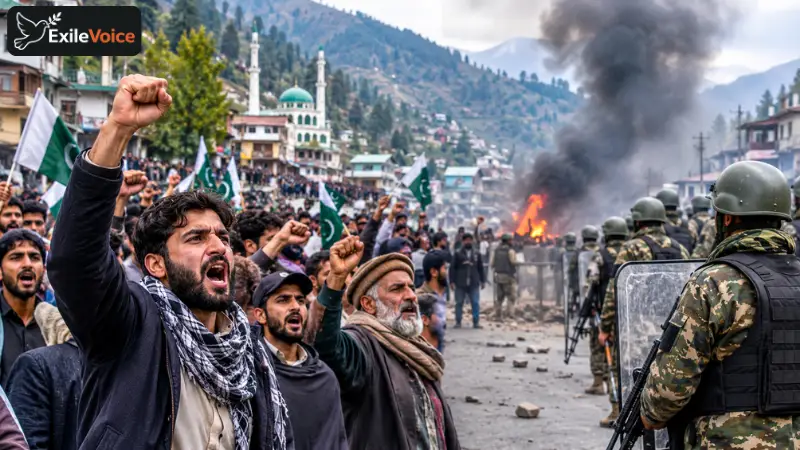

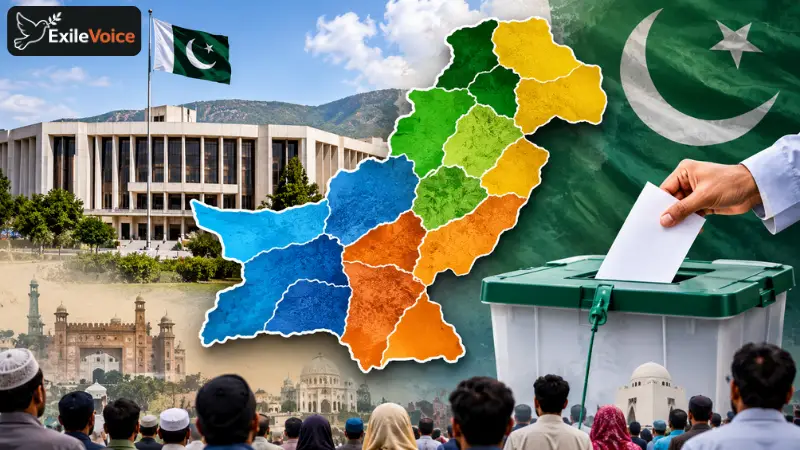
Political discussions in Pakistan have increasingly focused on potential territorial realignment, centering around a proposed plan to divide existing administrative boundaries into 12 distinct provinces. Reports indicate that Punjab could be divided into four administrative units, Khyber Pakhtunkhwa into three, Balochistan into three, and Sindh into two. This restructuring strategy is reportedly being discussed within federal and military circles as a mechanism to address long-standing governance challenges, improve resource distribution, and bring administrative services closer to local populations.
The mechanism under consideration for implementing these sweeping changes involves a national referendum. Under Article 48 of the 1973 Constitution of Pakistan, a referendum process can be initiated through a joint session of Parliament upon the proposal of the leader of the house. Proponents of the strategy argue that a direct public consultation could bypass legislative bottlenecks in provincial assemblies where two-thirds majorities are required for constitutional amendments altering provincial boundaries. Legal experts point out that while a referendum can serve as a powerful political instrument to gauge public sentiment, its legal standing differs from actual legislative enactment. Under Article 239 and related constitutional provisions, formal boundary modifications still necessitate legislative approval by the relevant provincial assemblies and both houses of Parliament.
Political reactions to the proposal vary significantly across regional and national parties. Skeptics within established political entities express concern over the potential impact on existing provincial administrations, leadership structures, and regional representation. The debate also intersects with broader discussions regarding constitutional amendments, political dialogue, and governance reforms. Analysts note that while administrative decentralization is frequently cited as a solution to regional disparities, the execution of such a monumental shift requires broad consensus among political stakeholders to ensure long-term stability and institutional integrity.