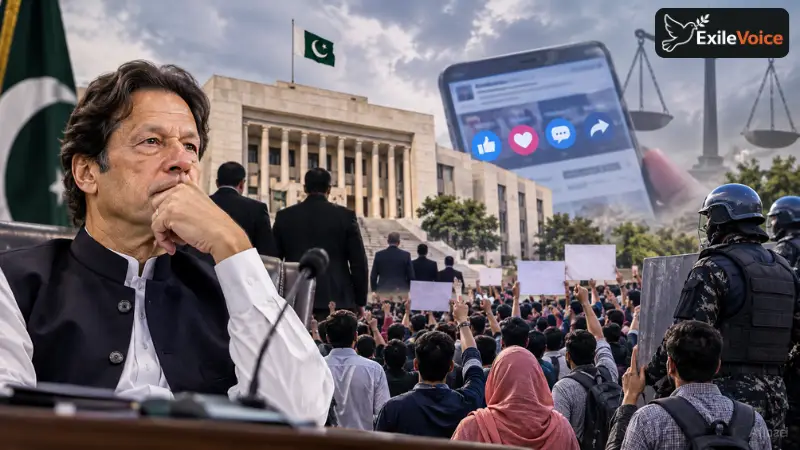

The political landscape in Pakistan continues to face deep systemic challenges, marked by intense institutional friction, controversies surrounding legal proceedings, and allegations of heavy-handed state censorship. Recent developments highlight a troubling trend of governance where civil liberties, judicial independence, and political opposition face unprecedented pressure. Observers and analysts have increasingly raised alarms regarding the erosion of democratic norms, pointing to restricted access for key political figures, arbitrary detentions, and strict information controls managed by state apparatuses.
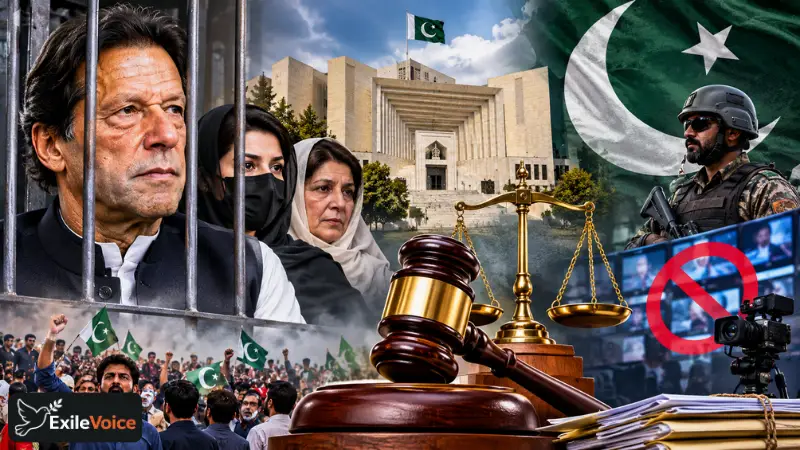
At the center of these developments are ongoing legal battles involving prominent political figures and their families. Reports indicate that communication channels and family visits for incarcerated leaders remain severely restricted, drawing international concern over human rights standards. Furthermore, judicial proceedings involving political detainees have faced repeated delays, fueling public skepticism regarding the impartiality of the judicial process. Critics argue that lower courts and administrative bodies often function under external directives rather than upholding constitutional guarantees of fair trial and due process.
Beyond individual cases, systemic friction has surfaced within regional administrations and state-backed infrastructural bodies. Incidents involving high-profile administrative raids, friction over large-scale developmental projects, and alleged financial irregularities in public-sector undertakings point to deep-seated structural dysfunction. When regional leadership attempts to question resource allocation or project execution transparency, it frequently encounters swift administrative pushback or covert intimidation tactics. This environment stifles constructive policy debate and concentrates authority within non-elected bureaucratic and military structures, further alienating the general populace from the governance process.
Ultimately, the compounding pressures of censorship, selective accountability, and institutional overreach threaten long-term stability. Sustainable governance requires a return to constitutional supremacy, absolute transparency, and the restoration of fundamental rights. Without meaningful structural reforms that prioritize public representation over centralized control, the political and economic climate in Pakistan will likely remain volatile, undermining investor confidence and deepening public disillusionment.