

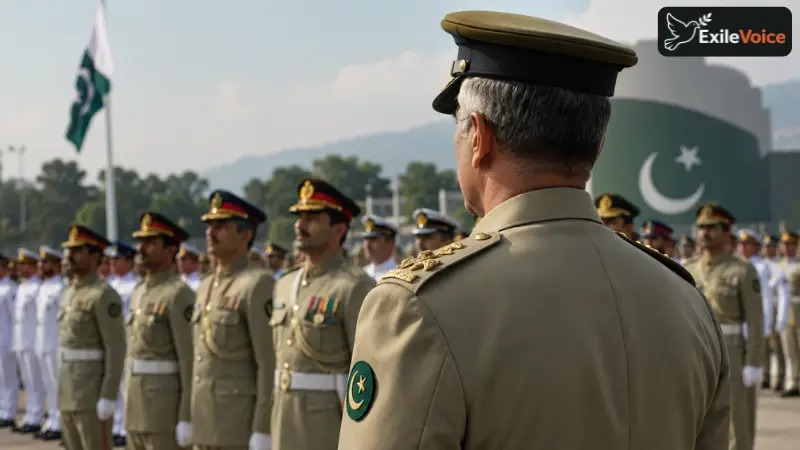
Recent military developments in Pakistan have highlighted significant shifts within the country's armed forces command structure. Following a period of leadership evaluations, high-ranking promotions have been announced, reshaping the senior tier of military leadership. Lieutenant General Amir Raza has been elevated to a four-star general rank, designated to lead the strategic command framework.. This appointment marks a notable adjustment in the upper echelons of the military establishment, particularly given the timeline surrounding senior promotions and the supersession of several long-serving officers.
The implications of these structural modifications extend across the institutional hierarchy. Multiple senior commanders, including regional corps leaders and specialized division heads, have been superseded as a result of the fresh elevations. Historically, such shifts prompt transitions within military service tracks, though contemporary operational realities often reflect diverse paths of continuity. Observers note that these appointments occur within a framework where top-level administrative decisions remain closely aligned with central command priorities, prompting discussions regarding merit, tenure length, and the overall trajectory of defense management.
Furthermore, analyzing these developments requires a comprehensive view of how higher military offices operate. The concentration of authority and the management of career progression pathways significantly influence internal organizational dynamics. As the defense apparatus navigates these transitions, the overarching focus remains on how strategic appointments impact both operational readiness and administrative stability within Pakistan's defense establishment.

