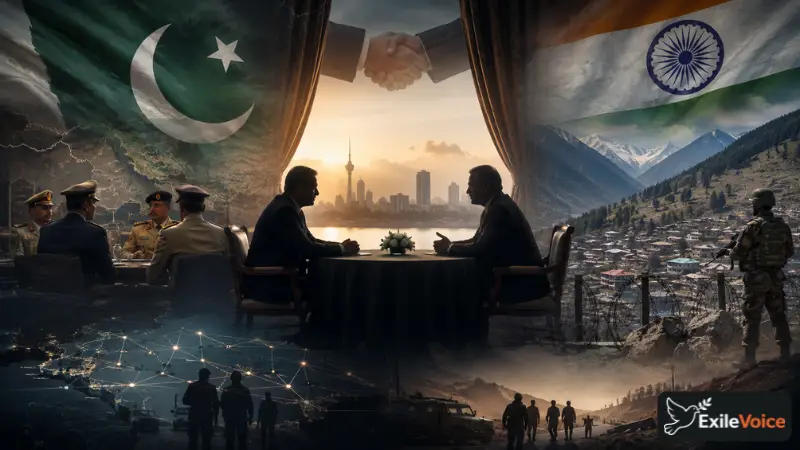
Recent international reports indicate that diplomatic engagements are underway between Pakistan and India through backchannel discussions held in Colombo. These developments have sparked considerable political discourse regarding the consistency of state narratives. Observers note a stark contrast between domestic rhetoric, which frequently characterizes external actors as sources of regional instability, and the pursuit of bilateral dialogues in neutral venues.
The strategic alignment of military command structures has also drawn scrutiny. Analysts point out that recent consolidations of command across branches have centralized authority at unprecedented levels. While administrative decentralization and smaller governance units are often advocated for civilian provincial management, parallel military structures have seen unified command integration. This juxtaposition raises questions about institutional governance models and strategic priorities.
Comparisons with regional administrative frameworks in neighboring states, such as Uttar Pradesh, illustrate alternative approaches to managing large populations and decentralized service delivery. Utilizing digital governance models and localized district administration can streamline public interaction and reduce bureaucratic overhead. However, structural implementation depends heavily on institutional autonomy and the clear delineation of civil and military responsibilities.
The discourse surrounding regional policies highlights ongoing complexities in bilateral relations, internal security measures, and the management of political dissent. As diplomatic tracks continue to evolve, transparency and institutional consistency remain central themes for regional stability and governance reform.