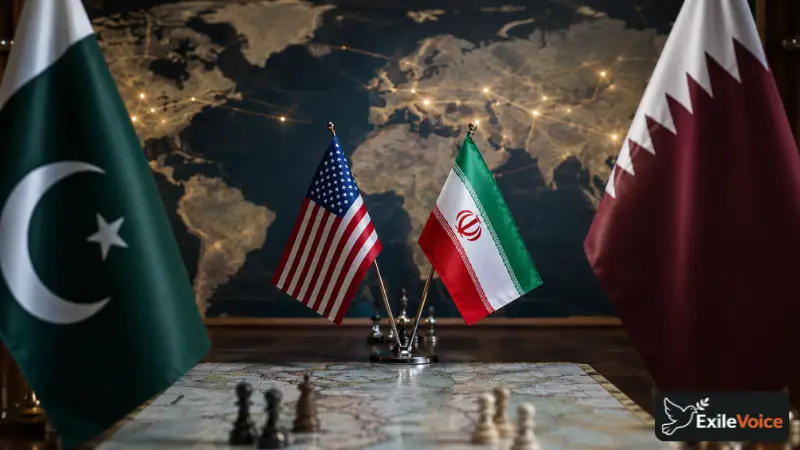
Recent developments in global geopolitics reveal a significant shift in diplomatic mediation regarding the ongoing conflict between the United States and Iran. According to recent reports from major financial and geopolitical publications, Qatar has emerged as a primary mediator, floating a new ten-day ceasefire proposal. This development notably excludes Pakistan, which previously played an active and prominent role in back-channel diplomatic efforts.
The exclusion of Pakistan marks a stark turnaround from earlier diplomatic phases where Islamabad was considered central to regional talks. Analysts suggest that complications arising from specific points within previous memorandums of understanding, particularly concerning the Strait of Hormuz and administrative rights, may have shifted the diplomatic weight toward Qatari channels. While Iranian authorities continue to deal directly with select regional stakeholders, the renewed diplomatic push is heavily concentrated through Qatari back-channels rather than traditional Islamabad-led tracks.
Furthermore, remarks from US diplomatic officials confirm that communication lines are actively operating through alternative intermediaries. This transition highlights the fluid and competitive nature of international mediation, where regional players constantly vie for influence during high-stakes military escalations. For Pakistan, being sidelined in this current phase of negotiations poses strategic challenges regarding its diplomatic leverage and regional positioning as the US-Iran conflict continues to impact global economics and security.