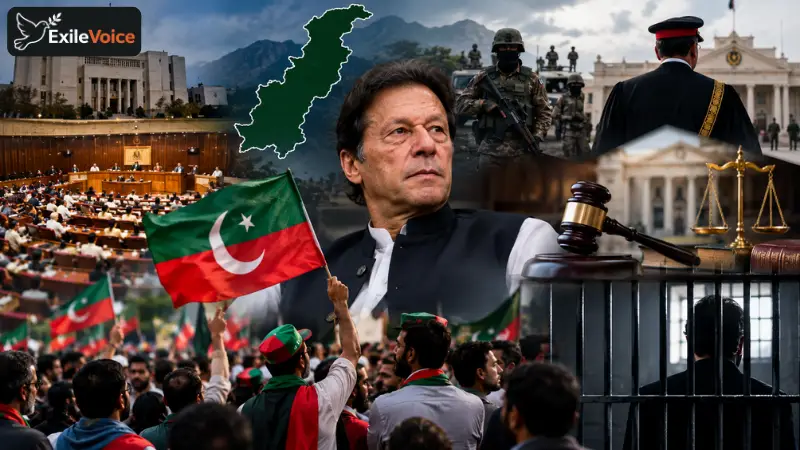
Recent developments in Pakistani-Administered Kashmir have brought long-standing regional grievances, governance structures, and administrative terminology to the forefront of political discourse. Observers and analysts emphasize that examining the historical and current administrative status of the region requires looking past long-held political narratives. For decades, terminology surrounding the region has been a subject of debate among international organizations, policy analysts, and regional stakeholders.
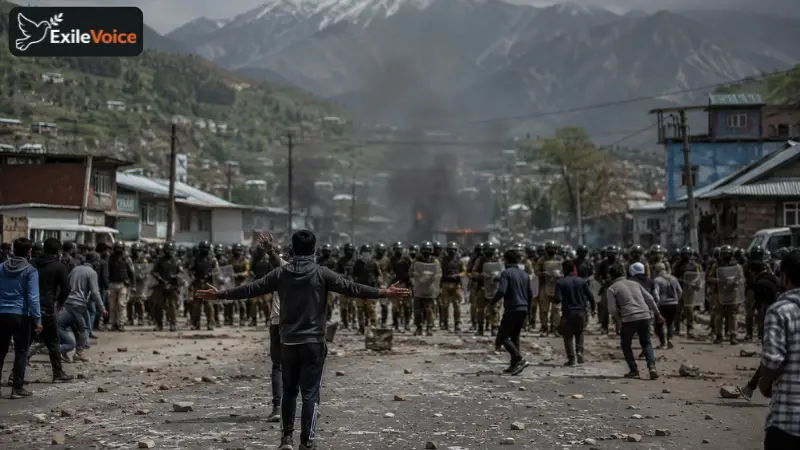
The recent incidents in areas such as Rawalakot and Mirpur, where clashes involving protesters and paramilitary forces resulted in casualties, have intensified discussions regarding local governance, district administration, and the rule of law. Reports from regional groups and media outlets indicate significant civil unrest driven by economic pressures, demands for civic rights, and dissatisfaction with institutional responses. Critics argue that the absence of genuine local autonomy and independent judicial or administrative mechanisms leaves citizens vulnerable during periods of social mobilization.
Furthermore, these events have triggered broader reflections on historical parallels, civil-military relations, and the governance models applied across various provinces and regions of Pakistan, including Balochistan and the former FATA region. Political analysts suggest that these occurrences underscore deep-seated structural challenges within the state apparatus, emphasizing the need for transparent dialogue, institutional accountability, and peaceful resolution mechanisms to address public grievances.