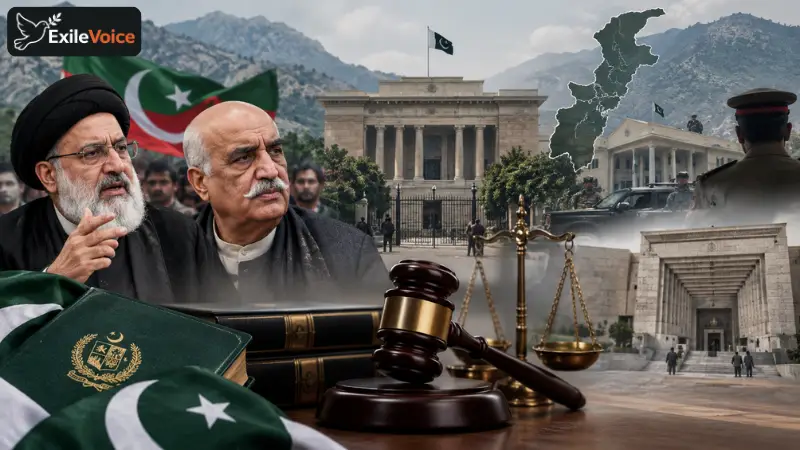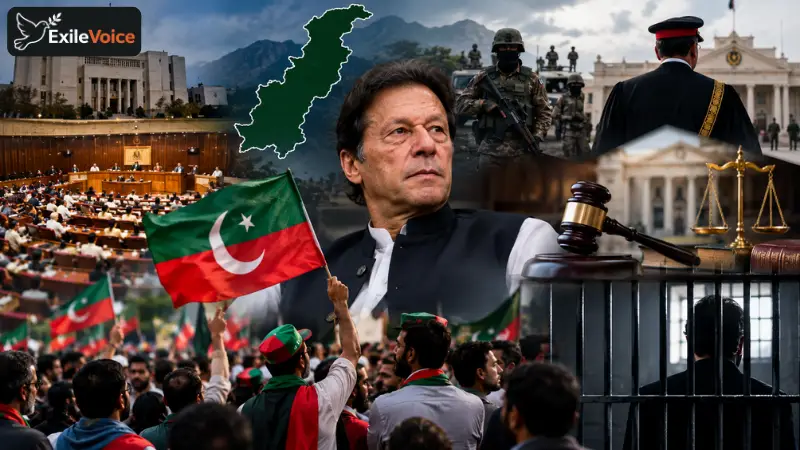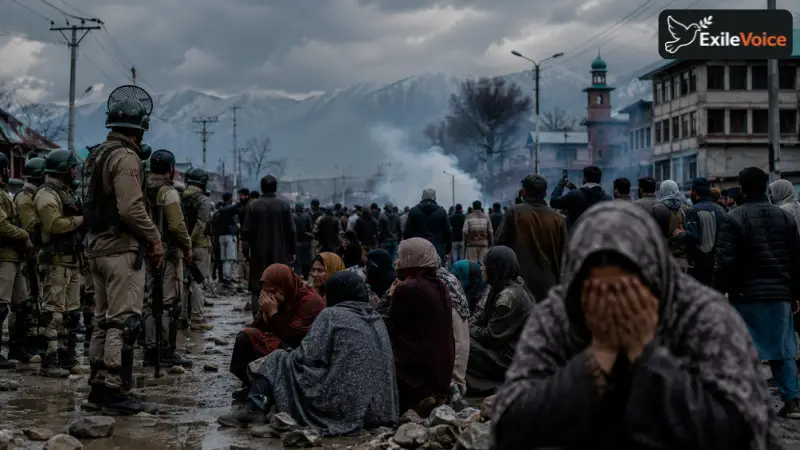
The recent escalation of violence in Kashmir has brought the deep rooted tensions between local populations and ruling authorities to a critical juncture. Reports from the region indicate a significant number of casualties, with local action committees documenting extensive lists of deceased individuals alongside detailed addresses and identities to prevent the concealment of fatalities. Witnesses and regional committees have strongly condemned the use of force, likening the humanitarian conditions in hospitals and urban centers to severe crises where access to basic medical supplies and emergency care is severely restricted.
Amidst these turbulent circumstances, local leadership continues to advocate for peaceful resistance despite mounting pressure. Prominent figures have stepped forward to guide demonstrations, calling for accountability and an end to aggressive security measures. However, the disconnect between ground realities and official institutional narratives remains stark. While local communities mourn mounting losses and face restricted mobility due to blocked transport links and heavy security deployments, state institutions continue to project normalcy through official ceremonies and unrelated international commentary.
This widening chasm between the governed and the governing has fueled widespread disillusionment, with diaspora communities abroad also staging protests outside diplomatic missions. Observers note that the refusal to engage in meaningful dialogue or political reconciliation risks deepening public alienation. As local committees and community representatives persistently document human rights concerns and demand basic civic protections, the situation underscores an urgent need for institutional accountability, transparency, and a genuine commitment to addressing the fundamental grievances of the population.