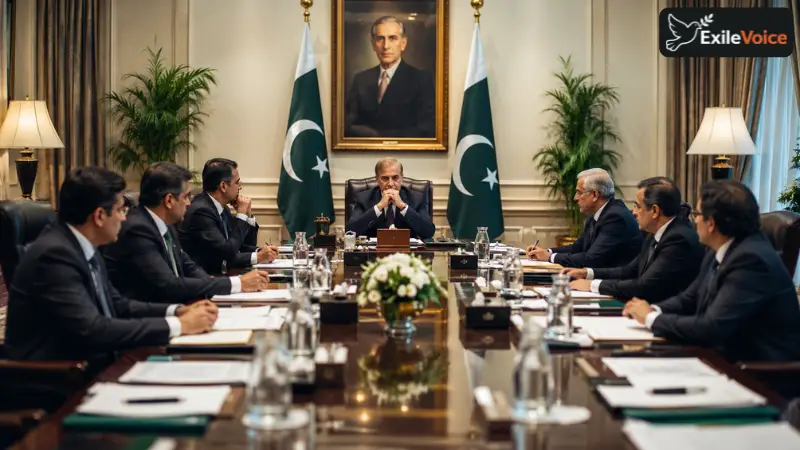
Recent high-level political developments have brought the discourse surrounding governance structure and administrative reforms to the forefront. High-profile meetings involving key leadership figures have emphasized the implementation of structured administrative reforms within a defined timeline. Discussions centered on optimizing governmental operations, streamlining ministerial functions, and fostering structural stability. Observers note that these developments reflect an ongoing effort to address systemic challenges and enhance institutional efficiency across the country.
The discourse has also highlighted the importance of accountability and evaluation mechanisms within government ministries. Recommendations for third-party performance evaluations of various ministries have been proposed to ensure transparency and measurable outcomes. As political stakeholders continue to negotiate the framework for future governance, the focus remains on whether these administrative adjustments will lead to sustainable institutional improvements and long-term stability.