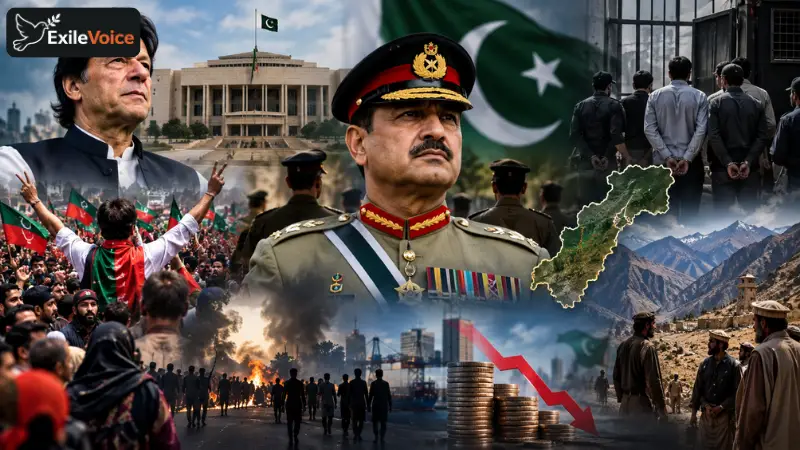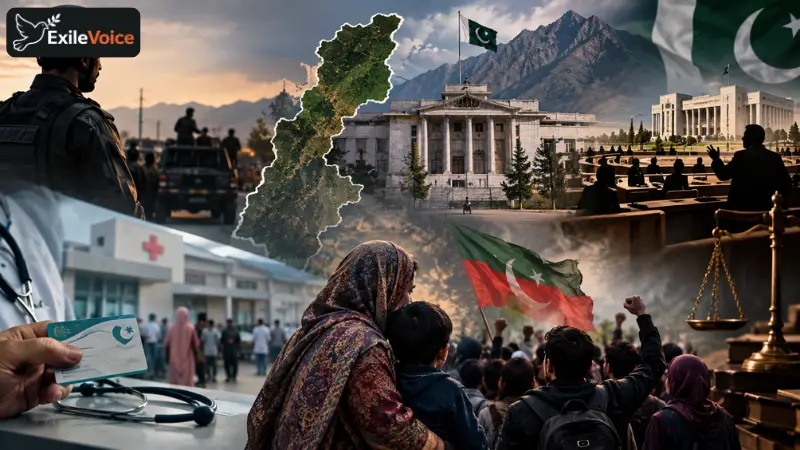
The geopolitical and domestic framework of Pakistan continues to experience structural transformations, marked by significant developments in institutional hierarchies, economic pressures, and foreign policy dynamics. Recent discourse surrounding statecraft highlights a complex interplay between political leadership, administrative execution, and strategic objectives. Central to these shifts are ongoing evaluations of governance models, the decentralization of administrative structures, and the management of critical national resources.
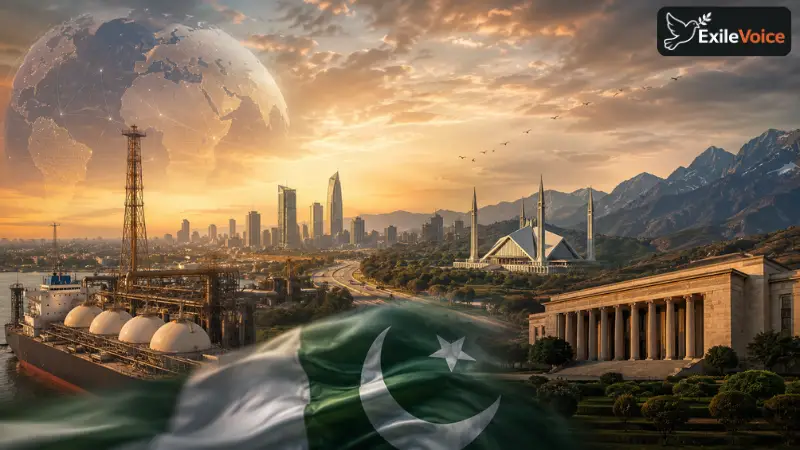
Economic indicators point toward sustained vulnerabilities, particularly in energy supply and resource management. Market pressures related to liquefied natural gas procurement and power distribution present continuous challenges for fiscal stability and public infrastructure. Concurrently, regional diplomatic engagements and legal proceedings concerning transboundary water treaties underscore the intricate nature of foreign relations and sovereign rights. Strategic positioning on international platforms further reflects efforts by state institutions to assert diplomatic influence amidst a challenging global environment.
Institutional reforms and administrative restructuring remain prominent themes within state planning. Discussions regarding the optimization of governance frameworks emphasize the need for systemic adaptations to address regional disparities and administrative efficiency. Furthermore, public sector accountability and professional standards across various domains, including sports administration, receive heightened scrutiny as observers analyze the correlation between institutional oversight and overall performance metrics. The convergence of these political, economic, and administrative factors defines the current trajectory of national development and strategic decision-making.