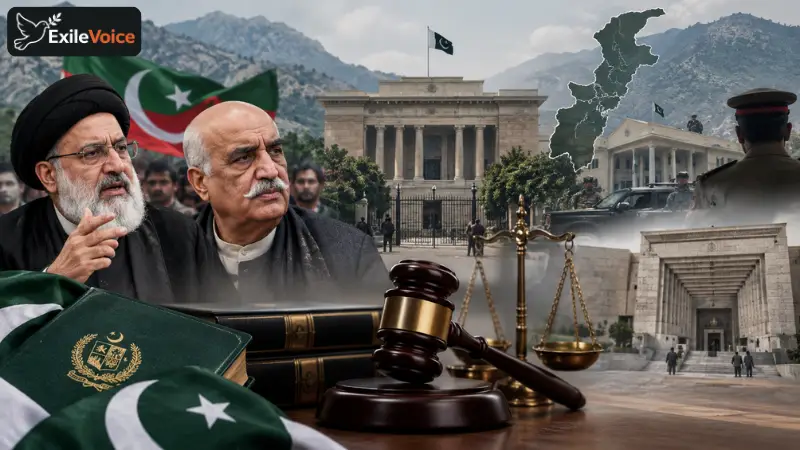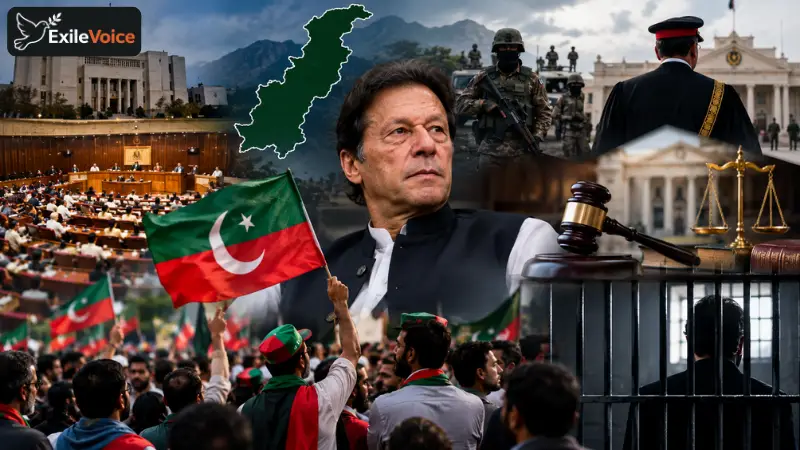
The Pakistan Tehreek-e-Insaf (PTI) is currently navigating a period of intense internal scrutiny, characterized by public confrontations between prominent party figures. Recent interactions between senior lawyer Salman Akram Raja and Senator Mishal Yousafzai have exposed deep-seated fractures within the party hierarchy. These conflicts center on questions of loyalty, the vetting process for party tickets, and the integrity of party leadership.
Salman Akram Raja has publicly defended his credentials and rejected allegations of impropriety, asserting that his commitment to the party's cause remains steadfast. Conversely, internal critics argue that certain party members are acting as "doubles agents" or lack true dedication to the party’s core ideology. This tension is further exacerbated by the influence of external forces, which many believe are manipulating internal divisions to weaken the party from within.
The strategy of "cleaning house" and addressing internal dissent is a source of intense debate. While some argue that internal criticism undermines the party’s unity, particularly during a time of immense external pressure from state institutions, others maintain that silence is tantamount to enabling internal corruption. The controversy underscores a critical dilemma: the need for discipline and ideological alignment versus the risk of fragmenting the party at a time when collective strength is essential for survival. As the party moves forward, the ability to resolve these internal disputes through institutional mechanisms rather than public bickering will determine its resilience in the face of ongoing political suppression.