

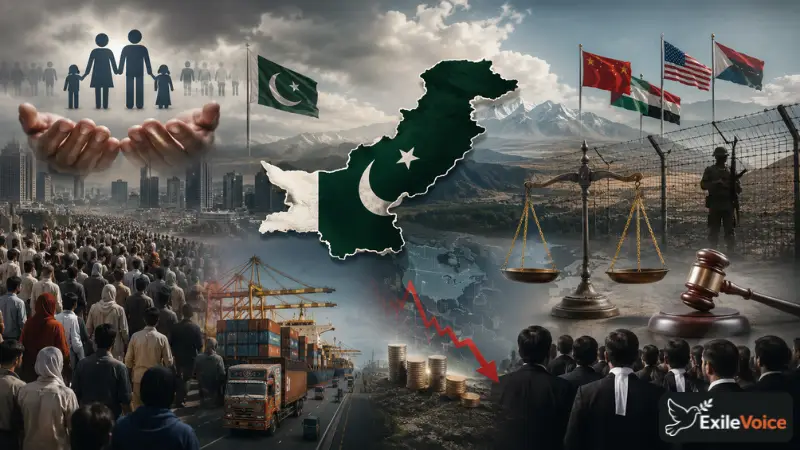
The current political and administrative landscape of Pakistan is undergoing profound shifts, marked by controversial domestic policy directives, escalating regional economic pressures, and increasing international scrutiny regarding human rights and governance. Recent developments highlight the multifaceted challenges confronting the nation, ranging from population control initiatives and economic vulnerabilities to foreign policy alignments and judicial independence.
A central point of discussion involves recent administrative measures concerning population management. Reports indicate the establishment of high level councils aimed at demographic control, coinciding with aggressive provincial policy statements regarding family planning protocols. These initiatives have sparked widespread public debate regarding the methodology and enforcement mechanisms surrounding population growth strategies, particularly given the heavy involvement of military and political leadership in administrative oversight. Observers note that effective implementation of such policies requires careful balancing between state objectives and fundamental civil liberties.
Concurrently, Pakistan faces mounting economic pressures from key international partners. Regional dynamics, particularly concerning economic dependencies and border trade, are experiencing significant strain. Reports of supply chain disruptions, shifts in bilateral trade enforcement, and demands for the settlement of external financial obligations have placed additional burdens on national economic stability. Furthermore, strategic foreign policy alignments, including security pacts with regional allies, continue to draw analytical scrutiny regarding their long term implications for national sovereignty and regional diplomacy.
On the domestic front, the state of the judiciary and the treatment of political prisoners remain critical issues. Administrative actions targeting members of the legal fraternity and higher judiciary have raised concerns about the separation of powers and judicial independence. Analysts emphasize that upholding constitutional norms and protecting institutional integrity are vital for restoring public trust and ensuring political stability. As the country navigates these complex internal and external challenges, policymakers face mounting pressure to adopt transparent, inclusive, and legally sound governance practices.

