

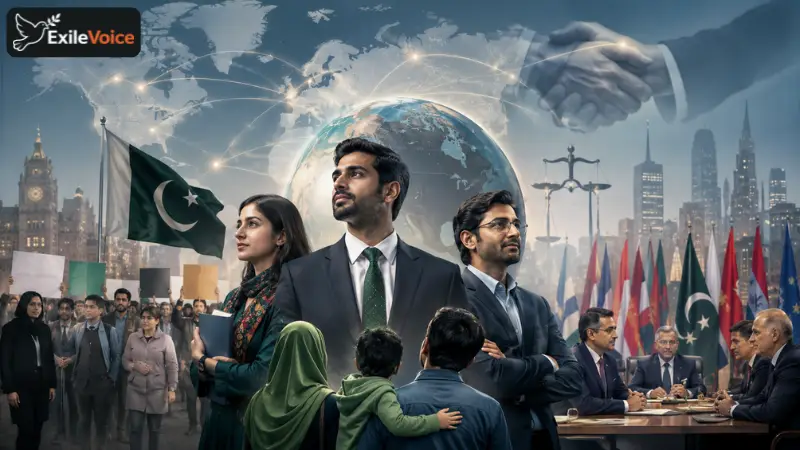
The Pakistani diaspora, particularly in the United States and Europe, is increasingly becoming a focal point for political engagement and international scrutiny. A primary issue currently impacting this community involves the pursuit of justice for victims of serious crimes committed in Pakistan. The frustration among diaspora members stems from a perceived lack of accountability and justice within the Pakistani legal system, leading to skepticism about the ability of local authorities to prosecute perpetrators effectively. This disillusionment is exacerbated by inflammatory rhetoric from international political figures, such as Geert Wilders in the Netherlands, which directly targets the reputation of the Pakistani community abroad.
Experts suggest that the diaspora needs to move beyond passive observation and engage in proactive political advocacy. By organizing peaceful, constructive demonstrations at embassies, the community could potentially shift the narrative, demonstrating that they are an active, concerned, and law-abiding constituency seeking accountability through legitimate international channels.
Simultaneously, the internal politics of professional organizations within the diaspora are under pressure. Recent events, such as the unauthorized meetings between government officials and organization boards, have sparked intense debate regarding neutrality and organizational mandates. Many members are questioning whether these platforms, which often claim political neutrality to maintain non-profit status, are being leveraged for government propaganda. The controversy highlights a growing tension between the diaspora’s desire for professional networking and the influence of political entities attempting to shape the discourse from afar. As these debates continue, the Pakistani diaspora faces the challenge of maintaining organizational integrity while effectively voicing concerns on both national and international stages.

