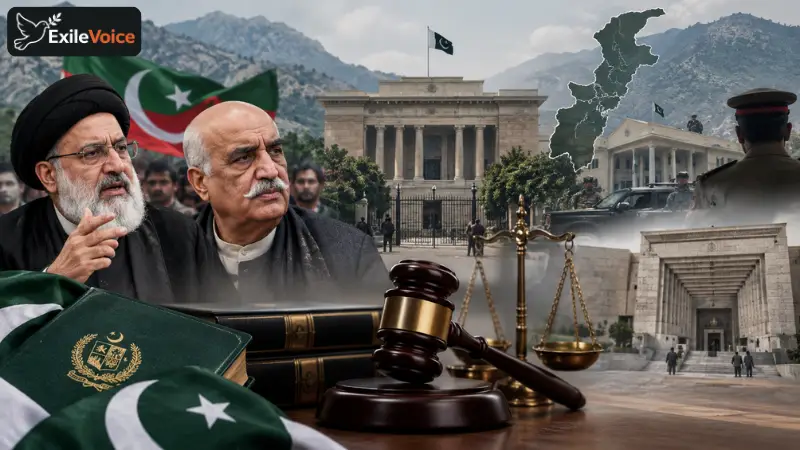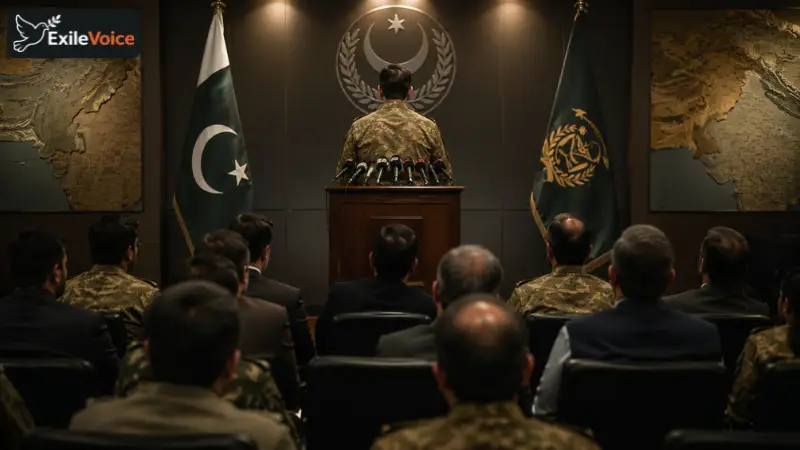
The recent press conference held by the military's media wing has generated significant political discussion across Pakistan. Analysts and political commentators have scrutinized the statements made regarding governance, regional administration, and the balance of power within the state. The discourse highlights growing tensions between military officials and civilian political perspectives regarding institutional responsibilities and administrative frameworks.
During the briefing, discussions touched upon the efficiency of current governance structures, economic challenges, and the historical division of provinces. Commentators noted that public statements from military representatives often intersect with broader debates about the constitutional role of armed forces versus civilian authorities. Critics argue that sustainable governance requires strict adherence to constitutional boundaries, allowing elected civilian bodies to manage administrative and policy decisions without institutional overreach.
Furthermore, the briefing addressed regional stability, particularly in Balochistan and Azad Kashmir, highlighting security operations and counter-terrorism measures. While official statements emphasized ongoing efforts to maintain law and order and foster regional development, civil society members and political figures have raised concerns regarding human rights, political representation, and the socio-economic grievances of local populations. The dialogue underscores the complexities of managing security and administrative integration in diverse regions while addressing public demands for greater autonomy and civil liberties.