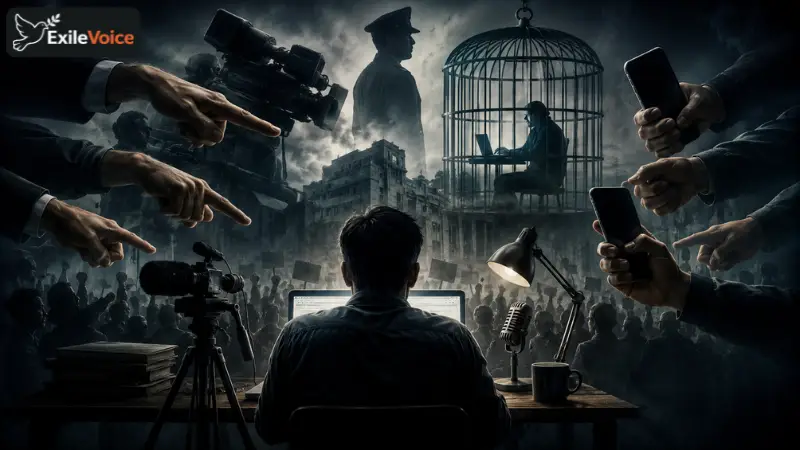
The intersection of journalism, political commentary, and institutional pressure in Pakistan has reached a critical juncture, characterized by intense polarization and severe rhetoric from various public figures. Recent discussions highlight how media platforms serve as both a battlefield for political narratives and a tool for targeted campaigns against dissenting voices. Observers have pointed to escalating verbal threats and aggressive rhetoric directed toward political commentators and digital content creators, raising profound questions about the state of press freedom and the safety of independent analysts operating within the country.
The discourse also touches upon the phenomenon of personal attacks and diversionary tactics utilized within political and media circles. Rather than engaging with substantive policy debates or addressing critical governance challenges, public discourse frequently descends into personal vitriol and unverified accusations. Analysts argue that such tactics are designed to deflect attention from core issues, weaken solidarity among opposition ranks, and discredit independent digital media platforms that have emerged as alternative sources of information for the public.
Moreover, the debate over the definition of journalism and the legitimacy of digital content creators reflects the shifting paradigm of information dissemination in modern media. As traditional media outlets face strict regulatory environments and institutional pressures, digital platforms have grown exponentially, providing a voice to independent commentators. However, attempts to delegitimize digital journalists through institutional pressure or derogatory remarks threaten to erode the foundational principles of free expression and public accountability essential for a democratic society.