

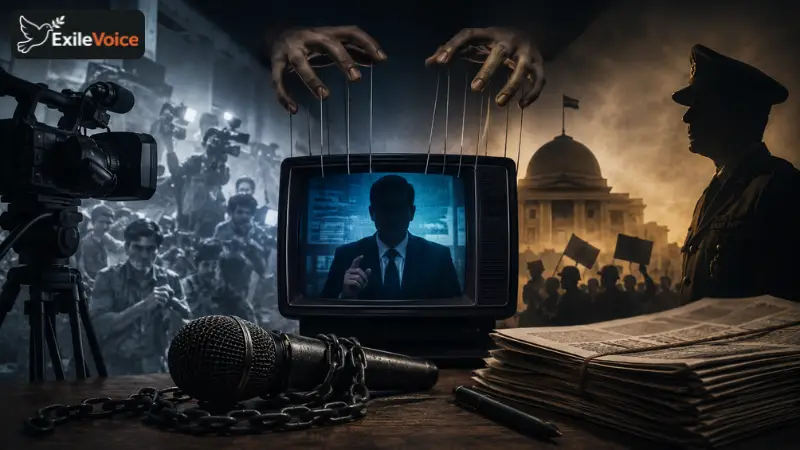
The intersection of media reporting and political strategy in Pakistan continues to face scrutiny as high-profile interviews and institutional narratives dominate television broadcasts. Recent media segments featuring individuals linked to foreign intelligence controversies have sparked intense debates regarding journalistic ethics and the pressures faced by media professionals. Observers point out that prominent television anchors and commentators are often utilized to shape public opinion on national security matters, raising concerns about the autonomy of independent journalism.
At the same time, mainstream media coverage frequently reflects polarized viewpoints on political leadership and state institutions. While some networks broadcast narratives emphasizing external threats and the consolidation of executive power, critics argue that these programs lack rigorous verification and serve primarily to manage public perception. This dynamic has created a challenging environment for investigative reporting, where editorial independence is routinely compromised by external pressures.
Media freedom advocates stress that a robust and objective press is essential for democratic accountability. The reliance on sensationalized interviews and state-aligned messaging undermines public trust in mainstream media outlets. Moving forward, restoring credibility within the journalistic community requires a steadfast commitment to factual reporting, ethical standards, and the protection of independent media personnel from coercion.

