

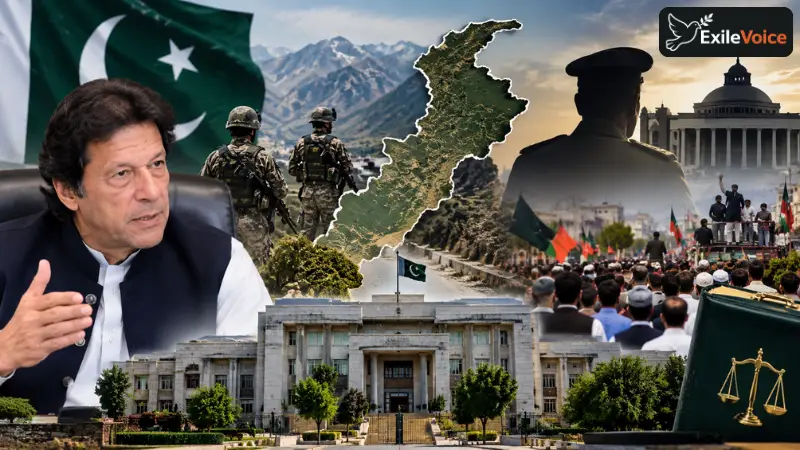
The political landscape in Pakistan’s northern province of Khyber Pakhtunkhwa (KP) has reached a critical juncture amidst intense media speculation regarding the possible imposition of emergency rule or Governor’s Rule. Speculation intensified following media reports hinting at a potential administrative overhaul aimed at removing Chief Minister Sohail Afridi’s leadership. Strategic narratives disseminated across mainstream media channels suggested that provincial political instability might necessitate immediate intervention by federal authorities.
The core argument driving rumors of federal intervention centers on security challenges and allegations regarding regional governance. Formal communications from military public relations outlets highlighted concerns over provincial leadership priorities, specifically criticizing the lack of attendance by provincial officials at official memorial services for fallen personnel in security-affected zones such as North and South Waziristan. Federal and security analysts contend that effective counter-terrorism efforts require absolute operational synergy between provincial administration and state security agencies, alleging that political rallies and planned long marches take precedence over security apex committee engagements.
However, counter-analysts view these accusations as part of a deliberate narrative strategy designed to shift focus away from broader administrative and security management failures. Critics emphasize that security operations in KP are largely directed through central intelligence and federal security mechanisms, making attempts to attribute complex regional security dynamics solely to provincial political leadership analytically incomplete. The provincial administration continues to fund and facilitate intelligence-based counter-terrorism actions, maintaining that public security remains a shared constitutional responsibility.
Furthermore, political observers interpret rumors of imminent governance changes in Peshawar as strategic maneuvers intended to disrupt political organizing ahead of key opposition mobilizations. Disclosing scenarios of emergency governance serves as a tactic to create public uncertainty and divide political opposition forces. While mainstream media commentators project severe administrative actions, structural political realities suggest that imposing governor's rule without broader parliamentary backing poses significant legal and institutional hurdles. Consequently, the heightened political rhetoric functions primarily as a psychological and narrative tool rather than an immediate legal precursor to constitutional suspension.

