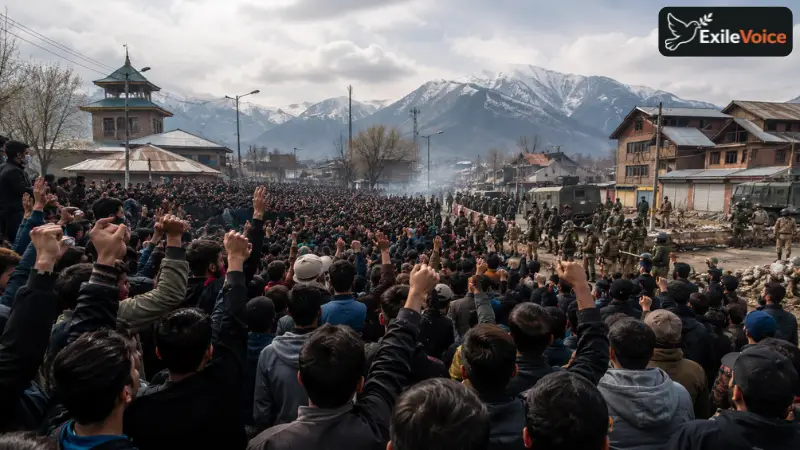
Regional developments in Kashmir have brought significant attention to the challenges faced by local populations and community-led movements. Recent reports outline widespread civic mobilization, with citizens participating in demonstrations to voice concerns over administrative policies and local representation. These grassroots initiatives reflect deep-seated grievances among residents who feel excluded from mainstream political participation.
Community leaders and local committees have emerged as prominent voices for the populace, organizing public assemblies and articulating demands for greater political autonomy and accountability. The response from authorities has involved intensive security measures and logistical adjustments to manage the escalating situation. Observers note that these events highlight a widening gap between official narratives and the lived experiences of residents in the region.
The ongoing situation underscores the complexity of regional governance and the resilience of local populations advocating for their civic rights. Civil society organizations and regional observers continue to track these developments closely to understand their long-term impact on regional stability.