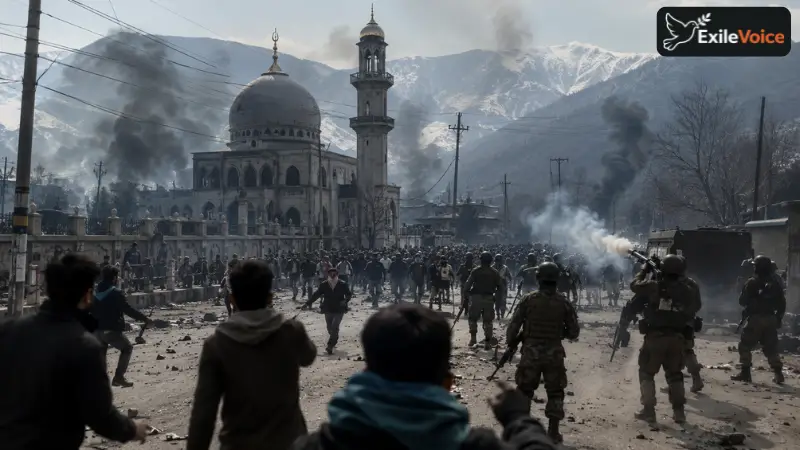
The region of Kashmir is currently experiencing an unprecedented wave of civil unrest and violence, drawing deep concern from international human rights organizations and global media outlets. Reports from the ground indicate that protests have intensified, leading to severe clashes between local populations and security forces. According to claims made by the Kashmir Action Committee, the death toll resulting from these confrontations has risen significantly, with dozens of individuals reportedly losing their lives during the demonstrations.
Eyewitness accounts and local reports highlight a deeply alarming expansion of the conflict into religious spaces. Incidents such as the firing near a local mosque, which resulted in the tragic death of the mosque's imam, have heightened community outrage and grief. Furthermore, families across various sectors have been directly impacted, with reports emerging of citizens from diverse backgrounds falling victim to the ongoing turmoil. The situation has also drawn attention to prominent political detainees and regional figures, including imprisoned poet Ahmed Farhad, who has reportedly voiced grievances regarding his detention and legal status.
International bodies and human rights organizations have increasingly focused their attention on the region, urging restraint and independent investigations into the reported use of force. Meanwhile, regional political leaders face intense scrutiny and public backlash over their perceived inability to manage the crisis or effectively communicate the grievances of the populace to federal authorities. The leaked audio recordings attributed to regional officials further illuminate the growing disconnect between civilian administration representatives and the security apparatus managing the region. As calls for accountability and dialogue continue to stall, the socio-political fabric of Kashmir remains severely strained, demanding urgent international intervention and transparent mediation to restore peace and protect civilian lives.