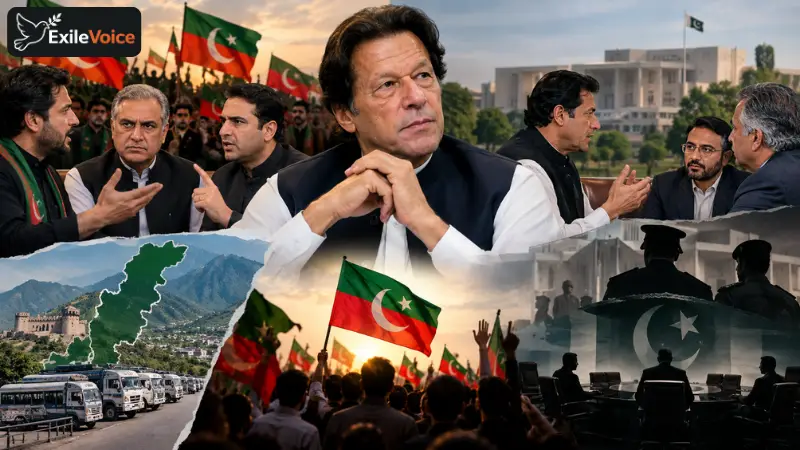
Recent legal developments concerning high-profile political figures in Pakistan have once again thrust the nation’s judicial and administrative systems into the spotlight. Following judicial pronouncements regarding medical treatment and institutional transfers, administrative responses have triggered intense debate among legal experts and political observers. The filing of official review petitions by government representatives highlights the persistent friction between judicial directives and executive implementation.
The mechanics of legal challenges in high-stakes cases often reveal deeper institutional dynamics. Observers point to the timelines and procedural nuances of these legal maneuvers as indicators of broader strategic coordination among state organs. Questions regarding the appropriate jurisdiction for specialized medical care, ranging from private tertiary facilities to state-run medical institutions, serve as a proxy for wider political struggles.
Ultimately, these developments illustrate the fragile balance between legal formalism and political expediency. As courts review previous judgments and state authorities contest institutional mandates, the broader legal framework remains under severe strain. The resolution of these procedural disputes will have lasting consequences for institutional credibility and the rule of law within the country.