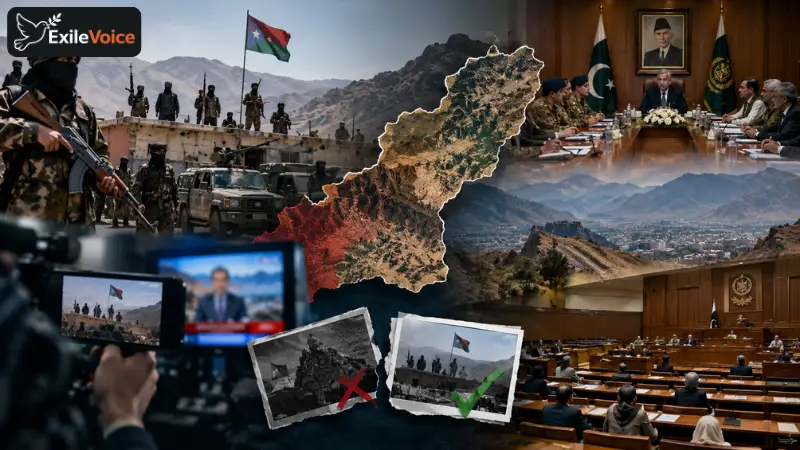
Recent developments in Balochistan have highlighted a significant escalation in security challenges, marked by militant groups overtaking a security-related facility operated by the Frontier Works Organization (FWO). Reports initially dismissed by mainstream media outlets and commentators as propaganda were later substantiated by visual evidence released by the groups involved. This incident has reignited intense debate regarding the flow of information, transparency, and the official handling of security narratives in regions experiencing unrest. Analysts note that discrepancies between initial denials and subsequent verifications undermine public trust in official reporting mechanisms.
Furthermore, the situation draws parallels with evolving political and administrative dynamics in Khyber Pakhtunkhwa, where state authorities have engaged in high-level reviews and apex committee meetings aimed at addressing terrorism. While federal and provincial stakeholders emphasize the necessity of decisive security actions, critics and political commentators raise questions about governance structures, the suspension of normal legislative processes under emergency measures, and the socio-political implications of top-down administrative interventions. The discourse underscores the complexities of balancing state security imperatives with transparent communication and regional political stability.