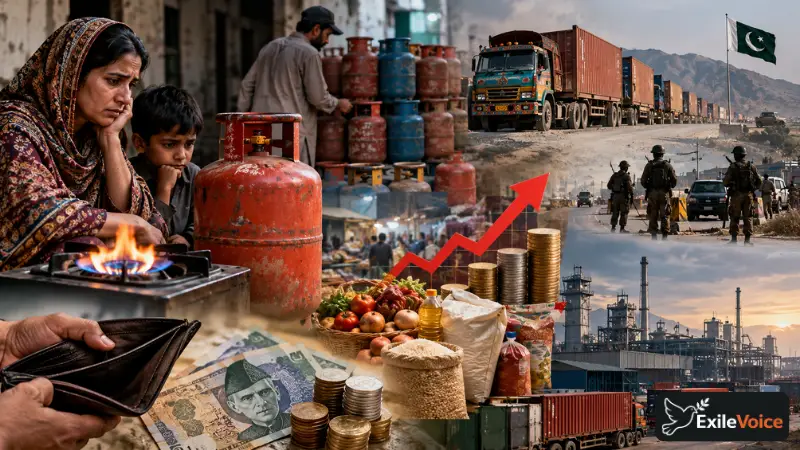


Recent financial disclosures regarding Khyber Pakhtunkhwa reveal complex dynamics between regional fiscal management and overarching political directives. Reports highlighting multi-billion-rupee budget surpluses point toward stringent financial allocations, yet they also bring to light underlying controversies regarding the distribution of public funds and provincial autonomy.
Financial transparency remains a central point of contention in regional governance. Debates surrounding surplus budgets often involve conflicting narratives between provincial officials and federal oversight bodies. While administration figures frequently defend fiscal restraint, critics and independent analysts point out the trade-offs involved, particularly concerning the funding allocated for security operations and infrastructure development. The management of provincial resources under successive administrations reflects ongoing tensions regarding constitutional amendments and the decentralization of financial authority.
Furthermore, discrepancies in public reporting have complicated the economic picture for observers. Public statements from political figures often contrast sharply with ground-level reporting by economic journalists, leaving stakeholders to navigate conflicting data regarding public spending and debt management. These fiscal maneuvers illustrate the delicate balance regional governments must maintain while operating within constrained macroeconomic environments and managing complex federal-provincial relations.
Ultimately, robust financial governance requires absolute transparency and accountability. As regional economies face mounting security and developmental challenges, the need for clear, verifiable fiscal policies becomes increasingly paramount to ensure public trust and sustainable economic stability.