

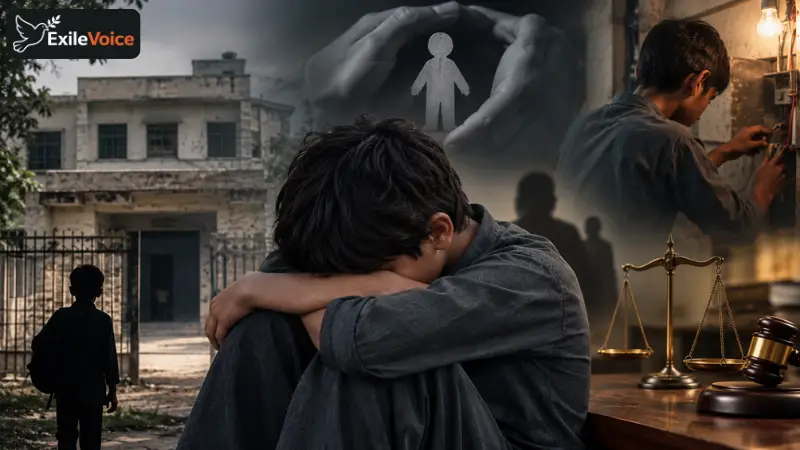
The tragic incident in Multan involving a young orphan highlights deep-seated vulnerabilities within vulnerable child protection systems and societal apathy. The 15-year-old child, placed in an orphanage following family bereavement and subsequently sent to an electrician to learn a trade, met a horrific end. Investigations reveal that systemic failures, lack of oversight, and extreme reactions from custodians create an environment where vulnerable minors face severe threats instead of sanctuary.
This event reflects broader sociological implications concerning how marginalized individuals are treated across different strata of society. While high-profile cases involving affluent individuals often see swift legal maneuvering or differing standards of accountability, marginalized citizens frequently bear the brunt of systemic deficiencies. The incident serves as a critical reminder of the urgent need for structural reform in child protection agencies, rigorous monitoring of vocational apprenticeship programs, and enhanced legal accountability to safeguard vulnerable youth. Addressing these challenges requires a comprehensive overhaul of social welfare mechanisms to ensure that every child receives adequate protection, legal rights, and a safe environment for rehabilitation and growth.