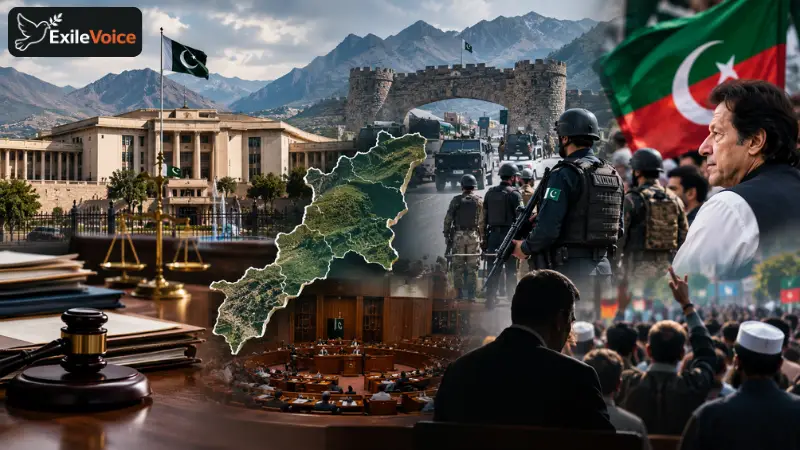

Security management and counter-terrorism strategies remain central to regional governance discussions in Pakistan's western provinces. Recent administrative adjustments have brought the operational efficacy of local law enforcement agencies, including Counter Terrorism Departments (CTD) and provincial police forces, into sharp focus. Policymakers and analysts continue to evaluate the division of responsibilities between federal security structures and local civil policing units in maintaining public order and neutralizing security threats.
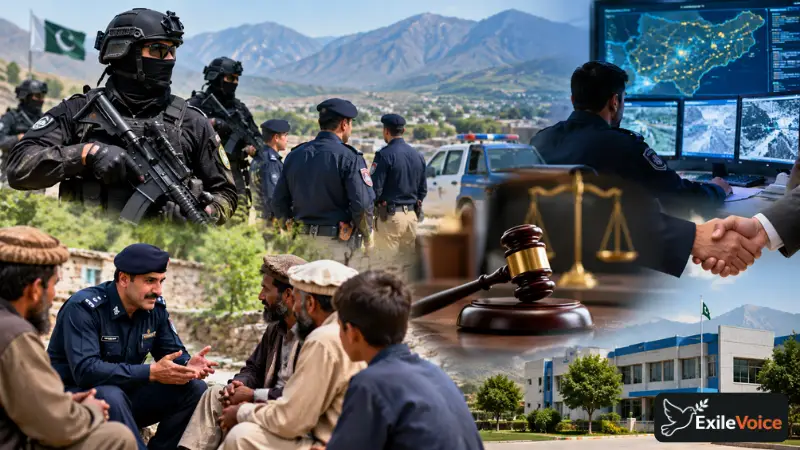
The integration of intelligence-based operations with local law enforcement requires continuous capacity building, infrastructural investment, and resource allocation. Observers note that effective counter-insurgency and counter-terrorism frameworks depend heavily on seamless intelligence sharing, operational readiness, and community engagement. At the same time, legal and human rights advocates emphasize the importance of procedural transparency, adherence to due process, and rigorous oversight in all law enforcement actions.
Addressing security challenges in complex regional environments demands a multi-dimensional approach that balances tactical necessity with institutional accountability. Strengthening local police infrastructure, ensuring transparent judicial reviews, and fostering trust between civil authorities and local communities are essential steps toward achieving sustainable peace and regional stability.