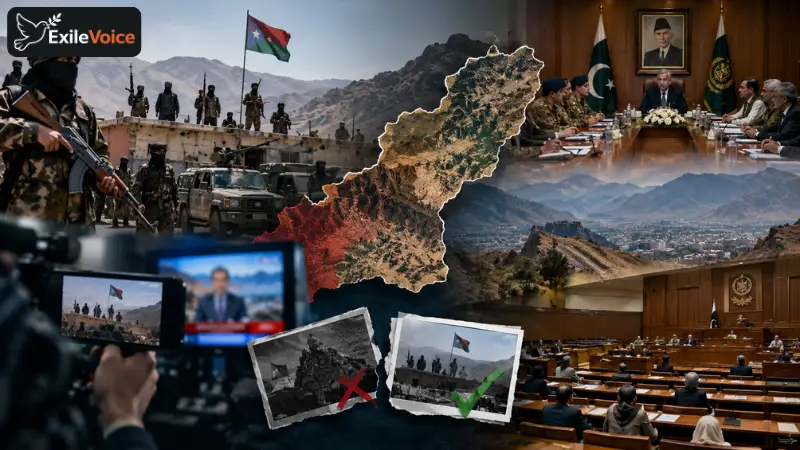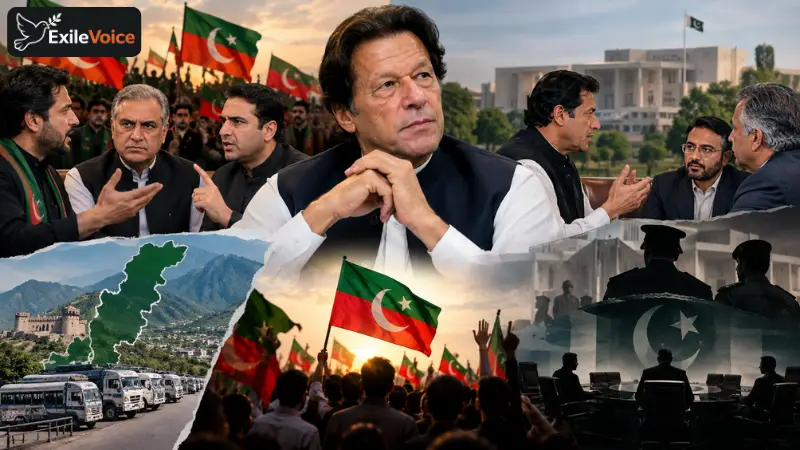
Internal political dynamics within Pakistan Tehreek-e-Insaf (PTI) have faced heightened scrutiny following recent leadership directives, regional administrative changes, and differing perspectives among party members. Discussions within political circles highlight varying viewpoints regarding the adoption of confrontational versus reconciliatory political strategies. While some party figures advocate for alignment with established institutional frameworks and emphasize dialogue, others maintain traditional positions of political resistance, creating internal friction over policy direction.
In addition, administrative decisions concerning regional governance, legislative updates, and local regulatory measures, such as proposed transport registrations in Khyber Pakhtunkhwa, have drawn mixed reactions from political analysts and party stakeholders. The interplay between central party leadership, provincial representatives, and civil-military relations continues to shape the evolving political landscape, reflecting broader challenges in organizational cohesion and strategic alignment during periods of institutional transition.