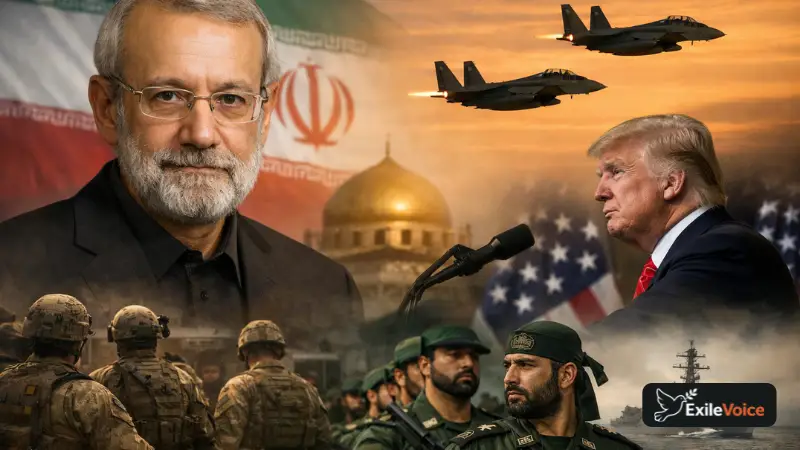
The recent assassination of Ali Larijani, a figure increasingly viewed as the de facto ruler of Iran following the death of Supreme Leader Ali Khamenei, marks a seismic shift in the Middle Eastern conflict. By taking out Larijani alongside top commanders of the Basij forces, Israel has not only decapitated a key layer of Iranian leadership but has arguably laid a strategic trap for the United States. This move comes at a sensitive political juncture in Washington, where President Donald Trump had begun signaling a potential openness to negotiations, shifting away from his previous stance of "unconditional surrender."
Analysis of the timing suggests that the Israeli Defense Forces (IDF) sought to eliminate any "exit ramp" the U.S. might have been seeking. Just as the American administration began internalizing the immense domestic and market pressures to avoid a protracted ground war, the removal of Larijani, a veteran figure who managed Iran’s regional terror networks while maintaining a grip on internal stability, effectively forces a hardline escalation. The Israeli perspective, voiced by the IDF, frames these strikes as the elimination of "terrorist leadership" responsible for suppressing the Iranian people. However, independent analysts suggest the primary goal was to sabotage any nascent diplomatic backchannels.
Internally, the U.S. administration is showing signs of significant fracture. The resignation of a highly decorated counter-terrorism chief and Green Beret veteran highlights a growing sentiment within the American military establishment that this is "not our war." The departing official’s scathing resignation letter accused the administration of fighting for Israeli interests rather than American security. Despite President Trump’s public display of bravado and claims that he is "not afraid of anything," the loss of core coalition members suggests that the ground beneath his feet is shifting.
Furthermore, the assassination is expected to radicalize the Iranian Islamic Revolutionary Guard Corps (IRGC). With moderate or pragmatic voices silenced, the "clash of the hardliners" is set to take center stage. This escalation makes a regional conflagration more likely, especially as the United Arab Emirates (UAE) signals its potential military involvement to keep the Strait of Hormuz open. The tactical success of the strike may lead to a strategic quagmire for the United States, as it finds itself increasingly dragged into a war that its own veterans and public are beginning to reject.