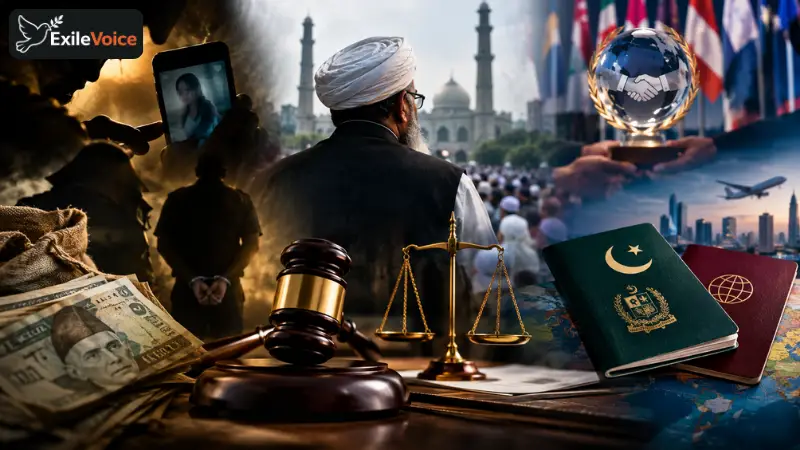
Investigative journalism plays a vital role in exposing institutional corruption, abuse of legal frameworks, and ethical inconsistencies within religious and political networks. A recent report by The Telegraph highlighting allegations surrounding prominent religious figure Tahir Ashrafi and his associate network underscores deep-seated issues regarding the misuse of legal provisions in Pakistan. The investigation revealed troubling connections between religious influence, legal manipulation, and financial exploitation.
Central to the investigative findings are allegations that organized networks have utilized honey-trap tactics and orchestrated entrapment schemes to fabricate blasphemy charges against targeted individuals. Such criminal networks exploit high-tension legal frameworks to extract financial gain, leading to tragic real-world consequences, including vigilante violence and loss of life. Legal observers and judicial authorities have repeatedly called for thorough inquiries into the systematic misuse of sensitive legislation, noting that weaponizing legal provisions undermines public trust in the judicial system.
Furthermore, the controversy surrounding international awards granted for interfaith harmony highlights systemic flaws in international vetting mechanisms. Recognition bestowed by foreign ecclesiastical or international institutions often fails to account for ground-level legal actions and local controversies involving award recipients or their immediate political associates. This disconnect raises critical questions regarding the credibility of global human rights awards and interfaith initiatives.
The revelation regarding foreign citizenship among influential religious-political figures further illuminates public skepticism toward political elites. While holding dual nationality is legal and common among global Pakistani communities, public discourse often critiques political figures who advocate nationalist or conservative religious ideologies domestically while maintaining foreign residency rights or passports abroad. Uncovering these dualities reinforces the necessity of investigative transparency in holding influential actors accountable to the law and public ethical standards.