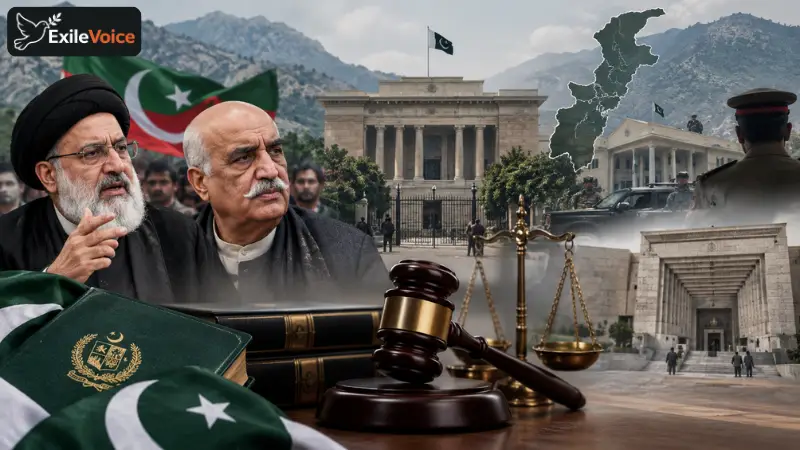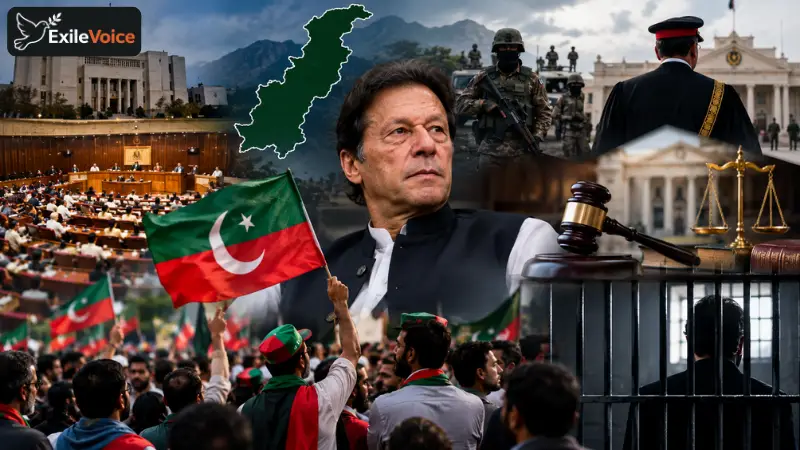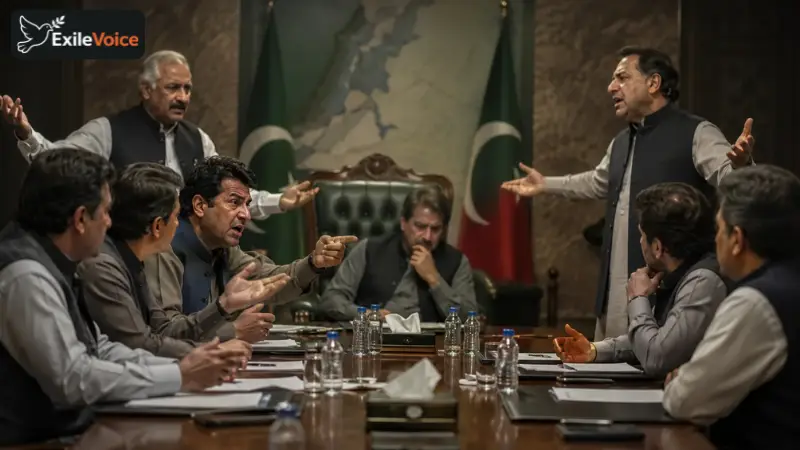
Internal dissent and factional disputes within political organizations in Pakistan highlight ongoing governance challenges at both provincial and federal levels. Recent developments within major political parties reveal growing friction between senior leadership, parliamentarians, and provincial representatives regarding resource allocation, administrative policies, and official responses to state actions. Public statements by senior party figures accusing colleagues of financial mismanagement and corruption underline deep-seated organizational strains.
In provinces governed by opposition parties, lawmakers have openly criticized the administration's handling of security crises, economic pressures, and regional stability. Disagreements over whether to adopt a conciliatory or confrontational stance toward federal authorities have further fragmented party unity. Furthermore, the application of strict regulatory laws to penalize internal criticism or public reporting of party disputes demonstrates a troubling intolerance for internal dissent.
Effective political opposition relies on cohesive strategies, transparent internal accountability, and constructive debate. When political entities become consumed by internal accusations and factional infighting, their capacity to challenge governance failures and represent constituents is severely diminished. Addressing these structural weaknesses is crucial for restoring organizational credibility and maintaining a viable political opposition.