The contemporary socio-political landscape of Pakistan reflects deep-seated challenges across multiple foundational pillars, including journalism, the judiciary, political administration, and bureaucratic governance. Recent analyses of public discourse highlight growing concerns regarding compromised integrity within institutional frameworks, raising critical questions about the trajectory of democratic accountability and public trust.
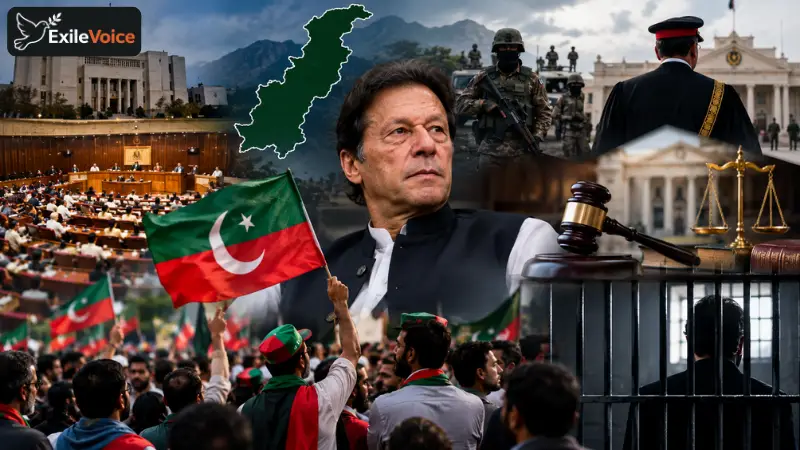
A primary focal point of concern involves the state of modern journalism and media integrity. Critics have frequently pointed to instances where public figures and media platforms allegedly coordinate narratives to shape public perception, often bypassing rigorous cross-examination or factual verification. This perceived alignment between certain media personalities and powerful institutional actors has led to widespread public skepticism. Observers note that when interviews and panel discussions fail to challenge questionable claims with concrete data, the role of the press as an independent watchdog is severely undermined. Public pushback against biased reporting, characterized by grassroots demonstrations and vocal rejection of partisan coverage, signals a growing demand for transparency and objective journalism.
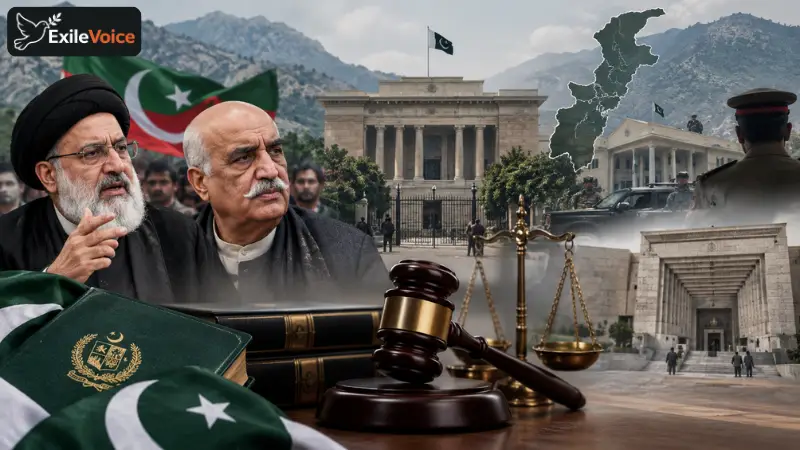
Simultaneously, the judiciary and legal appointments have come under intense scrutiny. The elevation of legal practitioners with direct historical ties to prominent political figures, such as former defense counsels for ruling party leadership, to high court positions has reignited debates regarding judicial independence. Critics argue that such appointments risk embedding partisanship within the justice system, potentially compromising the judiciary's ability to deliver impartial rulings. Civil society and legal experts emphasize that maintaining the sanctity and neutrality of the courts is essential for sustaining public confidence in the rule of law and ensuring equitable justice for all citizens.
In the realm of political governance, administrative decisions continue to draw sharp criticism from opposition figures and political analysts. Recent appointments of provincial parliamentary secretaries and structural adjustments within local administrative bodies are frequently interpreted as transactional measures designed to secure political loyalty rather than enhance administrative efficiency. Observers argue that such practices detract from pressing socio-economic concerns, such as inflation, infrastructure development, and public service delivery. Furthermore, large-scale public infrastructure projects, including proposed urban developments and highway expansions, are often scrutinized for their financial transparency, environmental impact, and alignment with genuine public utility needs.
Addressing these systemic challenges requires a concerted commitment to transparency, institutional reform, and active civic engagement. Analysts suggest that restoring credibility across public institutions depends heavily on enforcing merit-based appointments, upholding editorial independence in media, and fostering a culture of accountability where governance serves the collective public interest rather than narrow partisan agendas.