

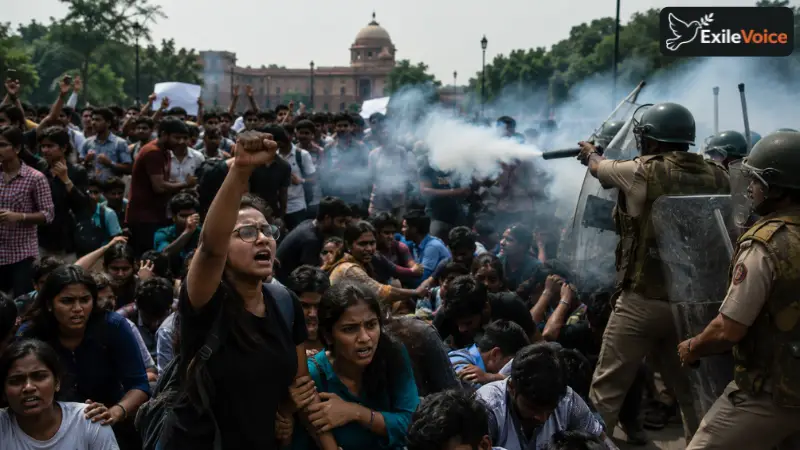
The political climate in India has been shaped by widespread student-led demonstrations in the capital city of Delhi, addressing systematic issues within national examination processes, notably the NEET testing leaks. The protests, which have drawn significant attention from various political factions and international observers, have led to clashes with law enforcement, involving tear gas and physical dispersal methods. In response to the escalating unrest, the government has announced measures to institute fast-track courts to penalize officials and entities responsible for administrative breaches and examination leaks.
The movement has sparked extensive political debate regarding governance, accountability, and the influence of contemporary digital organizing platforms. Analysts note that unlike previous political mobilizations driven largely by traditional messaging services, current youth-led movements leverage platforms like Instagram, creating decentralized networks that operate outside conventional political hierarchies. This dynamic presents distinct challenges for political parties and state apparatuses alike as they navigate public discontent.
Furthermore, legal interventions mirroring public interest litigation models have been introduced in high courts to address urban disruptions caused by prolonged demonstrations. As political figures and civil society leaders call for administrative reforms and accountability, the long-term electoral consequences of these youth movements are projected to influence upcoming state and national political landscapes.

