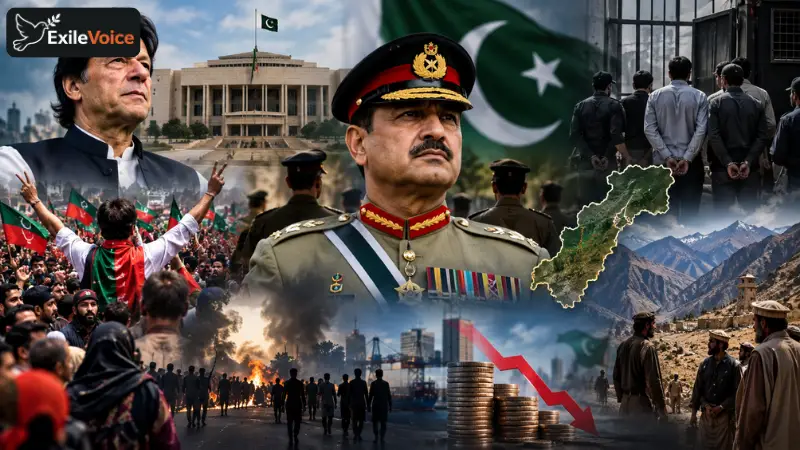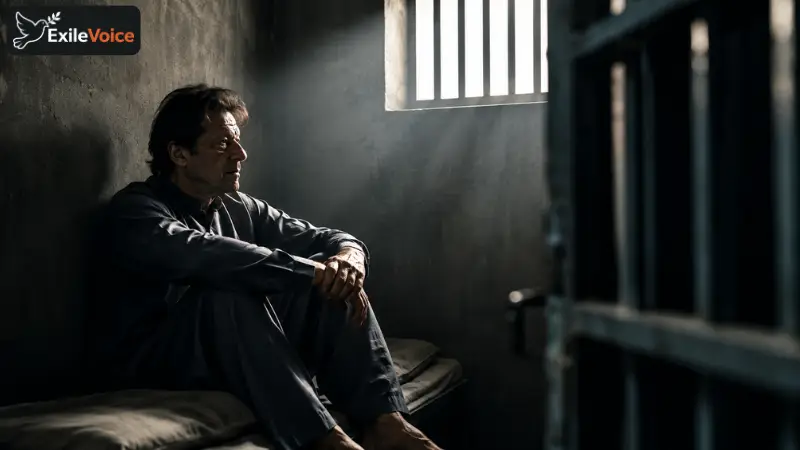
The incarceration conditions of former Prime Minister Imran Khan have drawn significant international attention, following recent interviews conducted with his family members by global media outlets. Speaking through platforms such as Times Radio, Khan's sons, Qasim and Suleiman Khan, detailed the strict isolation and challenging environment their father faces inside detention facilities. According to these accounts, the former prime minister is held in a restricted cell with limited access to daylight, reading materials, and daily communication privileges.
The reports of deteriorating prison conditions have prompted broader discussions regarding human rights and due process. International publications, including prominent editorials in British newspapers, have addressed the ongoing legal challenges and administrative measures directed against Khan. Human rights advocates argue that political detainees must be afforded standard legal protections and proper medical care, expressing concern over reports regarding his health and restricted interactions with legal counsel and family members.
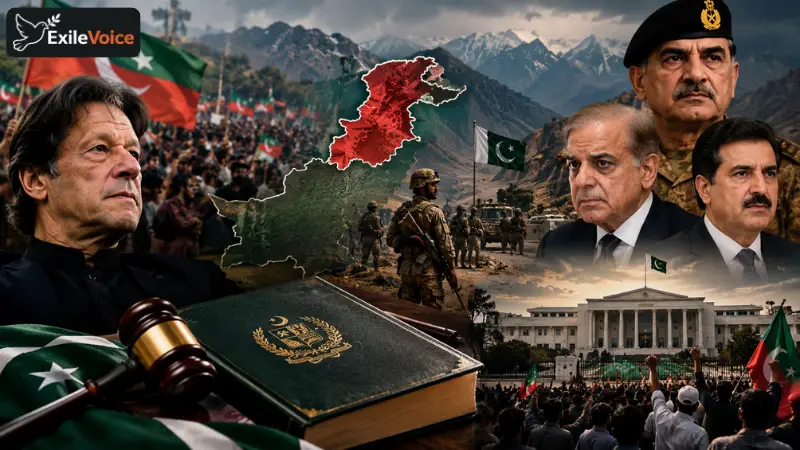
Domestically, these developments have intensified political polarization. Supporters of Pakistan Tehreek-e-Insaf continue to stage demonstrations and call for transparent legal proceedings, while government officials maintain that all actions are conducted in accordance with the law. The international focus on Khan's detention underscores the global dimension of Pakistan's internal political struggles, as foreign observers and diplomatic circles closely monitor the handling of high-profile political figures and the broader implications for democratic norms in the region.