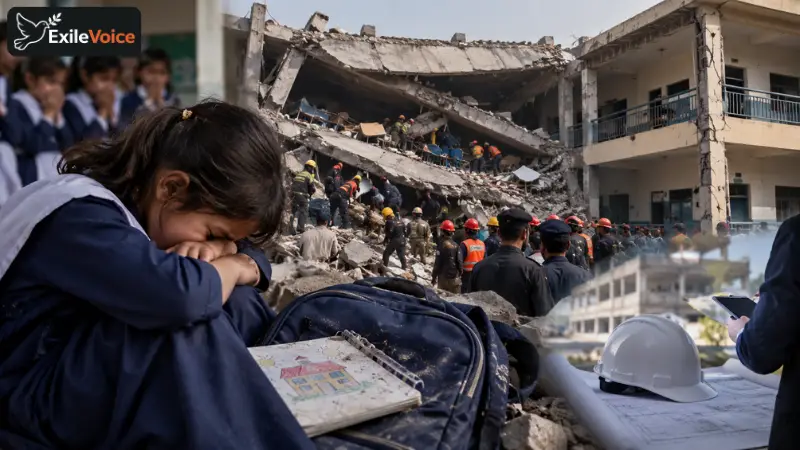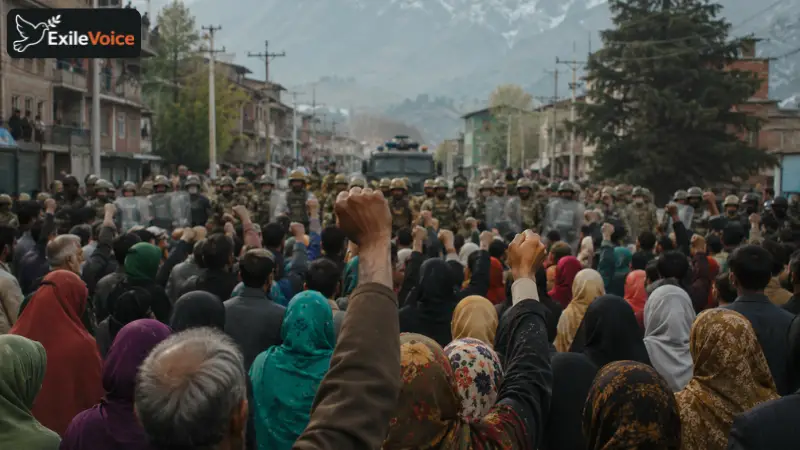
The civil unrest in Kashmir has emerged as a defining flashpoint, bringing to light the profound challenges faced by ordinary citizens under severe security constraints. Reports from the region indicate widespread public defiance, with community members organizing demonstrations and demanding fundamental rights despite facing extreme operational hurdles. Test testimonies from grieving relatives of victims underscore a collective sentiment of unwavering determination against state-imposed restrictions.
The movement has witnessed active participation from diverse segments of society, including youth, women, and elders, challenging traditional hierarchies of political engagement. Analysts point out that the willingness of local populations to sustain resistance despite heavy losses signifies a fundamental shift in regional dynamics. This grassroots mobilization highlights a deep-seated disconnect between official narratives and the lived realities of citizens on the ground.
Political commentators have emphasized the urgency for broader solidarity from national political movements. The failure of mainstream political actors to mount coordinated responses to the crisis has drawn sharp criticism from analysts who advocate for immediate, peaceful advocacy. As the situation continues to develop, the resilience demonstrated by the Kashmiri populace remains a central narrative in contemporary political discourse.