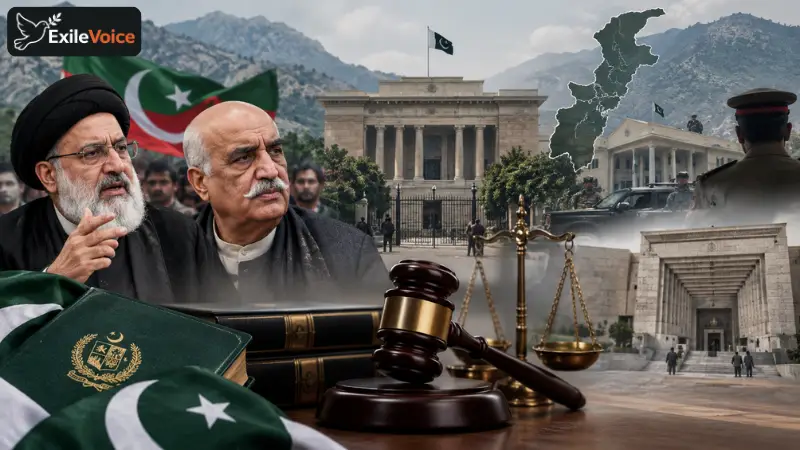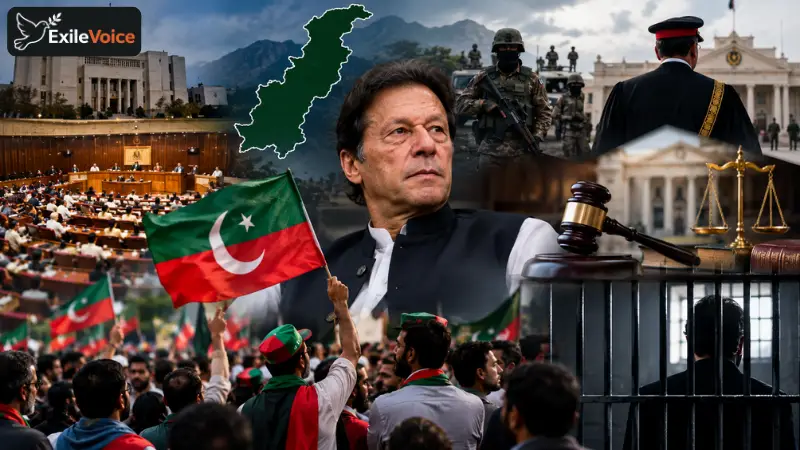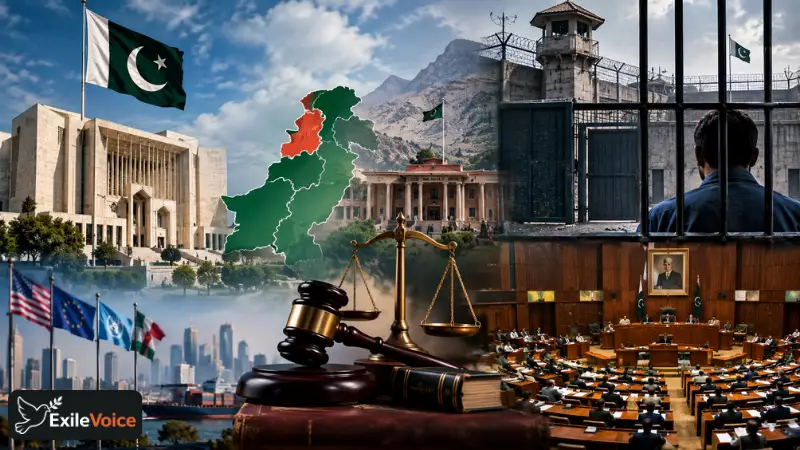
The ongoing political confrontation in Pakistan has extended beyond public rallies and into fundamental questions of constitutional law, judicial authority, and federalism. Central to the current discourse are intense debates regarding the potential imposition of Governor's Rule in opposition-controlled provinces, alongside legal challenges concerning the detention conditions of political figures held at facilities like Adiala Jail.
Under the Constitution of Pakistan, the emergency provisions allowing federal intervention in provincial affairs represent some of the most sensitive mechanisms available to the central government. Discussions surrounding the imposition of Governor's Rule in provinces such as Khyber Pakhtunkhwa underscore the severity of the rift between the federal center and regional administration.
Governor's Rule effectively suspends or severely curtails the executive authority of the elected provincial government, transferring executive powers directly to the federation via the appointed Governor. For the federal government, this measure is framed as a necessary tool to maintain law and order, prevent the misuse of state machinery for political agitations, and ensure national stability.
However, from a constitutional perspective, the frequent threat or application of central override mechanisms destabilizes provincial autonomy and weakens federal trust. When provincial executive powers are threatened with federal suspension, regional administrative apparatuses face severe paralysis, affecting routine governance, law enforcement coordination, and public service delivery.
Parallel to constitutional friction is the persistent focus on judicial custody and detention conditions surrounding major political figures housed in facilities such as Adiala Jail. High-profile political detentions in Pakistan have historically served as focal points for both domestic mass mobilization and international human rights scrutiny.
The legal strategy surrounding detained leaders involves a dual framework:
Defense teams navigate a complex web of legal cases, appealing bail rejections, challenging venue transfers, and demanding transparent court proceedings.
Highlighting prison conditions and security measures serves as a catalyst for mobilizing international diplomatic commentary and maintaining public attention on the health and safety of leadership.
The management of high-security detainees creates constant friction between judicial orders and state executive enforcement. Courts repeatedly issue guidelines ensuring access to legal counsel, family visitation, and adequate medical care. Yet executive agencies often cite security imperatives to limit access, creating a continuous feedback loop of contempt petitions and judicial review.
Domestic political stability in Pakistan is deeply tied to broader geopolitical and economic realities. International developments, ranging from diplomatic engagements in the Middle East to global security shifts, directly influence domestic governance capacity.
A state preoccupied with internal political conflict, administrative standoffs in key provinces, and constant legal battles faces constraints on its foreign policy execution and economic stabilization efforts. Foreign investors, multilateral lenders, and diplomatic partners evaluate political predictability when assessing engagement frameworks. Prolonged constitutional standoffs between federal and provincial bodies complicate economic recovery plans and weaken sovereign negotiation leverage.
Resolving the structural crisis requires moving away from maximalist stances toward institutional dialogue. Constitutional mechanisms exist to resolve federal-provincial disputes through parliamentary forums and constitutional courts. Restoring political stability will depend heavily on whether institutional actors choose to utilize these legal channels or continue relying on administrative coercion and political deadlock.