

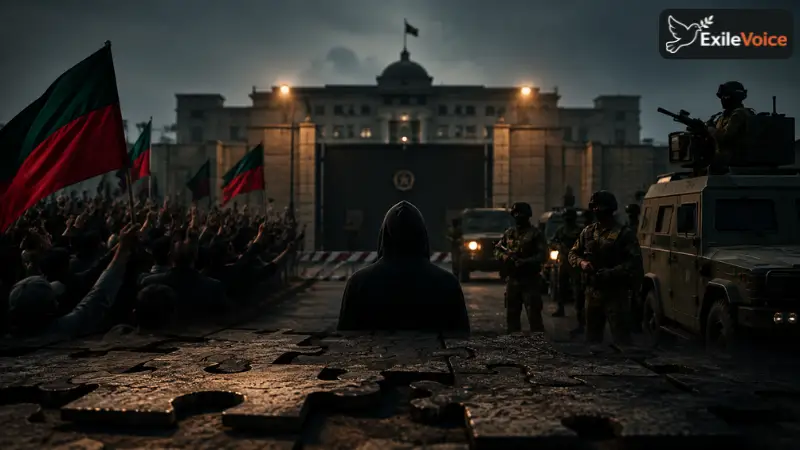
The recent incident involving a reported breach at the General Headquarters (GHQ) in Rawalpindi has sparked significant debate, drawing parallels to the events of May 9. Reports indicate that an individual, identified as Muhammad Hussain, allegedly attempted to force entry into the GHQ armed with weapons and was subsequently killed. Official narratives immediately linked the individual to the Pakistan Tehreek-e-Insaf (PTI) party, citing the recovery of party flags and documents as "evidence" of a coordinated attack or intended sabotage.
However, a critical analysis of the narrative suggests a deliberate effort to create a specific political atmosphere. Observers have pointed out that the rapid dissemination of the suspect's images, specifically those showing him at PTI rallies or alongside party leaders, suggests a pre-meditated effort to associate the incident with the party's upcoming protest agenda. Furthermore, reports regarding the suspect’s brother allegedly being picked up by intelligence agencies raise questions about the true motives behind the incident. If the motive was personal vendetta due to familial grievance, the attempt to frame it as a broader political insurrection against the state is being scrutinized as a calculated political tactic to deter future public protests.
This incident also highlights the complexities of Pakistan’s current security landscape. By framing such incidents as direct attacks on state institutions, the administration appears to be setting a precedent to justify harsher crackdowns on political opposition. The lack of an independent, transparent investigation into the incident, combined with the swiftness of the media narrative, reinforces suspicions that the event is being leveraged to consolidate power and neutralize political resistance before it gains momentum.

