The current geopolitical landscape is undergoing a significant transformation, characterized by shifting alliances, intense regional instability, and complex diplomatic maneuvering. At the heart of this flux is the intricate relationship between major global powers and regional players, particularly regarding conflicts in the Middle East and South Asia.
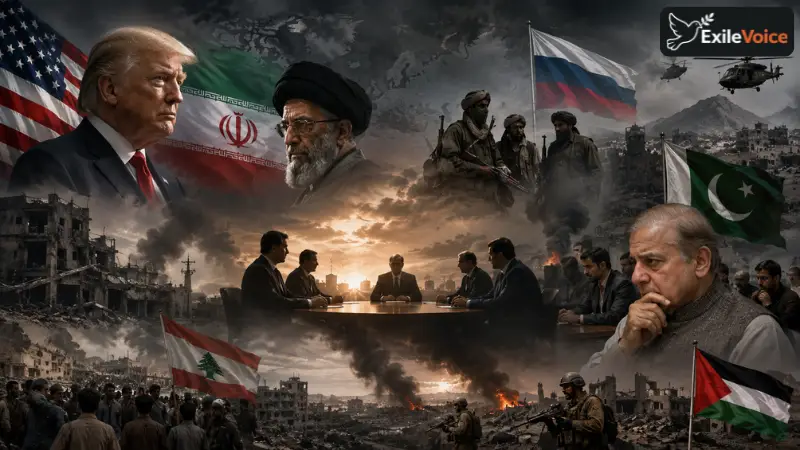
Central to these developments is the ongoing dialogue between the United States and Iran. Reports from international media sources indicate that negotiations regarding frozen funds are reaching their final stages. While mediation efforts continue, the process remains delicate, with President Donald Trump reportedly insisting that any release of funds must be contingent upon his explicit approval. This situation underscores the volatile nature of these negotiations, where domestic political considerations often clash with international policy objectives.
Simultaneously, the situation in Afghanistan has raised serious concerns in Pakistan. Recent reports of a burgeoning weapons deal between the Taliban and Russia have caused alarm, as it suggests a strategic pivot for the Taliban toward a historical adversary. The potential introduction of advanced military systems, such as MANPADS, into this volatile region could drastically alter the security dynamic. Pakistani diplomatic efforts to engage with both Russia and Iran underscore the depth of the concern, as the nation seeks to navigate these emerging threats to its internal security.
These external pressures are compounded by internal challenges within Pakistan. Political polarization, allegations of pre-poll rigging, and concerns over the efficacy of national institutions have created an atmosphere of instability. As the country navigates these crises, the necessity for robust, internally focused security policies becomes increasingly apparent. The disconnect between active foreign mediation efforts and the reality of internal security challenges remains a critical issue for the nation’s leadership.
Furthermore, the conflict involving Israel, Lebanon, and Gaza continues to be a major source of regional instability. Despite ceasefire agreements, reports suggest that these are often ineffective, with ongoing hostilities continuing to threaten civilian populations. The involvement of various regional actors in these negotiations, and the persistent rejection of terms by groups like Hezbollah, highlight the limitations of current diplomatic frameworks in achieving a lasting peace. As the region remains in a state of high tension, the role of global powers like the United States in facilitating, or sometimes complicating, these processes remains a defining feature of the global geopolitical environment.