The geopolitical landscape of the Middle East has entered a volatile new phase following targeted strikes on Iranian energy infrastructure. Recent reports indicate that the conflict, which initially centered on military personnel and nuclear sites, has pivoted toward critical economic assets. The most recent and significant development involves an Israeli-led strike on Iran’s largest gas production facility. This escalation has not only disrupted regional power supplies but has also triggered a cascade of diplomatic maneuvers, most notably a sudden shift in the stance of the United States.
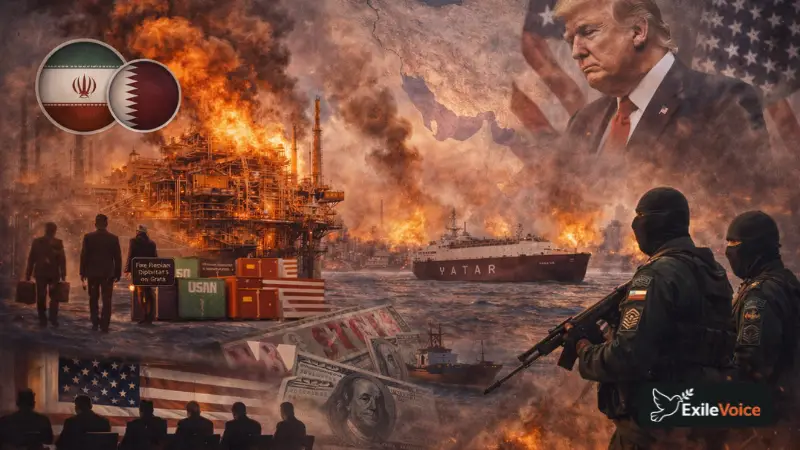
In an unprecedented move, President Trump has issued a formal assurance to Tehran, signaling a commitment to cease further direct attacks on Iranian energy and gas facilities. This strategic retreat follows Iran’s clear warning that any further degradation of its energy sector would be met with retaliatory strikes against the oil and gas fields of neighboring Arab states, including Saudi Arabia and Qatar. The credibility of this threat was demonstrated when Iranian forces allegedly targeted the world’s largest oil facility in Qatar. The subsequent diplomatic fallout saw Qatar designate several Iranian diplomats as "persona non grata," highlighting the fracturing of regional alliances.
Analytically, this "energy war" represents a sophisticated use of economic leverage by regional actors. Iran, recognizing its limitations in conventional air superiority, has weaponized its control over vital trade routes and energy corridors. The Strait of Hormuz remains the primary pressure point; Tehran has reportedly begun enforcing a currency-based transit protocol, allowing passage primarily to vessels settling transactions in Chinese Yuan rather than US Dollars. This tactic serves as a direct challenge to the global petrodollar system and aims to force international stakeholders to demand a cessation of hostilities to prevent a global economic collapse.
Furthermore, the internal discourse within the United States is shifting. Congressional briefings have highlighted a divide between intelligence assessments and executive actions. High-ranking intelligence officials have admitted that while the U.S. successfully targeted Iranian nuclear capabilities in the past, there was no imminent threat justifying the most recent strikes on civilian gas infrastructure. This admission fuels a growing narrative that the current escalation may be counterproductive, potentially alienating entire religious sects across the globe and creating long-term security risks for Western interests. As regional powers like Saudi Arabia reconsider their defense treaties and even their "nuclear umbrella" options, the role of external mediators and the stability of global energy markets remain in a state of precarious flux.