

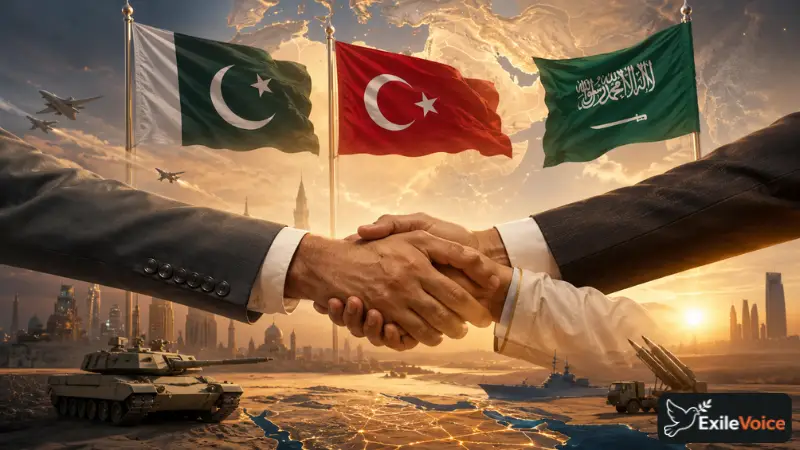
Recent geopolitical developments have brought the strategic interactions between regional heavyweights into sharp focus. A newly emerging defense pact involving Pakistan, Turkey, and Saudi Arabia has triggered intense international debate, with analysts and media outlets examining its long-term implications for the region. While official statements emphasize the foundational and long-standing nature of these bilateral ties, external observers and domestic commentators continue to dissect the potential ramifications for broader regional stability and existing alliances.
The framework of this pact draws together three distinct national capabilities. Turkey contributes an advanced defense-industrial base renowned for modernizing military technologies and cost-effective tactical solutions. Saudi Arabia provides substantial economic backing and strategic depth. Meanwhile, the third partner brings extensive operational experience and human resources derived from long-standing service in international security arrangements. Despite speculation surrounding the nature of these agreements, diplomatic clarifications from Gulf representatives have consistently underlined that such arrangements do not replace or undermine prior multilateral security frameworks or existing partnerships with international allies.
Rather than viewing these developments through an exclusively ideological lens, foreign policy experts suggest a more pragmatic evaluation. Regional powers are increasingly diversifying their defense portfolios and engaging in multi-layered diplomacy to navigate a complex security landscape. As diplomatic maneuvers unfold across various capitals, the focus remains on sustainable defense policies and deterrence without escalating into broader arms races or sectarian polarization.

