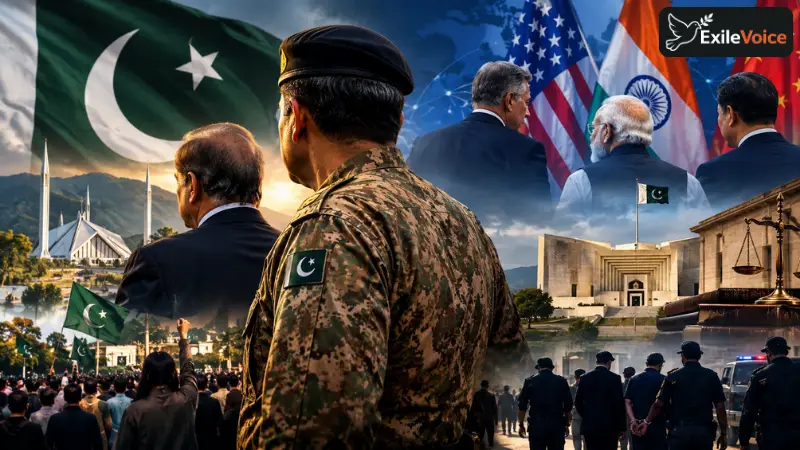
The interplay between internal civil-military dynamics and external diplomatic postures remains a defining feature of South Asian regional politics. Historically, domestic political struggles within Pakistan have frequently been framed around external threat perception and national security priorities. Recent developments present a subtle shift in international diplomatic responses toward internal political realignments and institutional governance changes within Islamabad.
In contrast to previous decades where regional neighbors actively commented on human rights concerns, democratic interruptions, or judicial interventions, contemporary diplomatic postures reflect strategic restraint. Global and regional powers, including neighboring India, have maintained a noticeable silence regarding significant domestic political maneuvers, mass detentions of opposition figures, and controversial constitutional amendments. This policy of non-interference or tacit endorsement stems from strategic calculations regarding regional stability and economic predictability.
For external observers, institutional continuity within state apparatuses often takes priority over democratic processes. Regional powers assess that internal friction, institutional decentralization, or ongoing political polarization within Pakistan effectively limits its capacity for proactive regional diplomacy. Consequently, international stakeholders find strategic advantage in dealing with established institutional power centers capable of ensuring security commitments, even at the expense of popular political movements or democratic norms.
Simultaneously, domestic political actors face the challenge of operating within an environment where traditional human rights advocacy from international monitoring bodies yields limited policy impact. The structural consolidation of power, demonstrated through life-time security appointments and constitutional adjustments, further solidifies institutional authority. As internal opposition movements navigate these international constraints, the structural divide between civilian democratic aspirations and military-centric state governance continues to shape the long-term political trajectory of the nation.