The geopolitical landscape of the transatlantic alliance is undergoing a profound transformation as major European powers explicitly distance themselves from the Trump administration's escalating military campaign in the Middle East. Recent statements from top leadership in the United Kingdom and Germany signal a historic departure from the "coalition of the willing" model that defined previous regional interventions, such as the 2003 Iraq War.
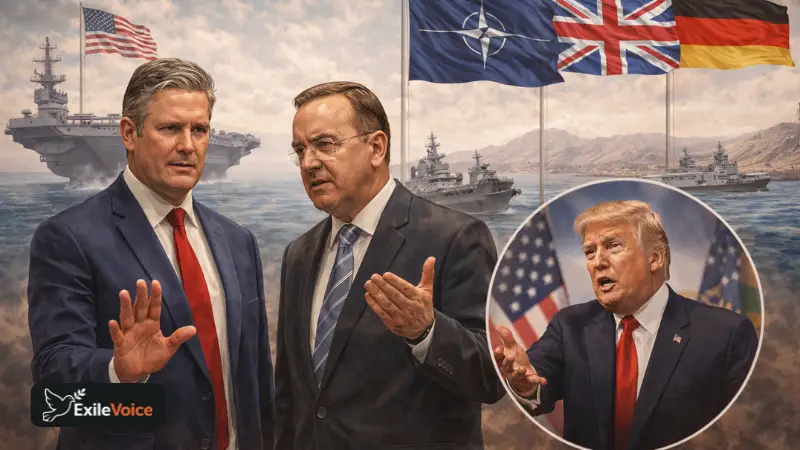
British Prime Minister Keir Starmer has articulated a policy of "calculated restraint," emphasizing that while the protection of British personnel in the region remains a priority, the United Kingdom will not be drawn into a wider regional war. This stance is particularly notable given the historic "special relationship" between London and Washington. Starmer’s refusal to commit British naval assets to a new conflict reflects a broader European consensus that military escalation in Iran lacks a clear legal framework and a viable long-term resolution.
Parallel to the British position, German Defense Minister Boris Pistorius has confirmed that Berlin will not provide military participation in the Strait of Hormuz or the broader Iranian theater. While Germany remains open to diplomatic solutions for ensuring safe passage through international waters, Pistorius made it clear that "boots on the ground" or naval deployment are not on the table. This represents a significant blow to the Trump administration’s efforts to internationalize the burden of the conflict.
The Trump administration’s response has been one of characteristic isolationism mixed with bravado. Trump has asserted that the United States does not require European assistance to "finish the job," while simultaneously claiming that other unnamed nations are "on the way" to assist. However, analysts point out that unlike the 2003 Iraq invasion, where the U.S. spent months building a diplomatic case, the current administration’s "shoot first, consult later" approach has alienated its most reliable allies.
The internal American debate is also intensifying. Critics argue that the current administration is repeating the mistakes of the past but with fewer resources and no international backing. The lack of a unified NATO front not only weakens the tactical position of the U.S. in the Middle East but also emboldens regional actors who see the fracture in Western unity as an opportunity to redefine the regional order.