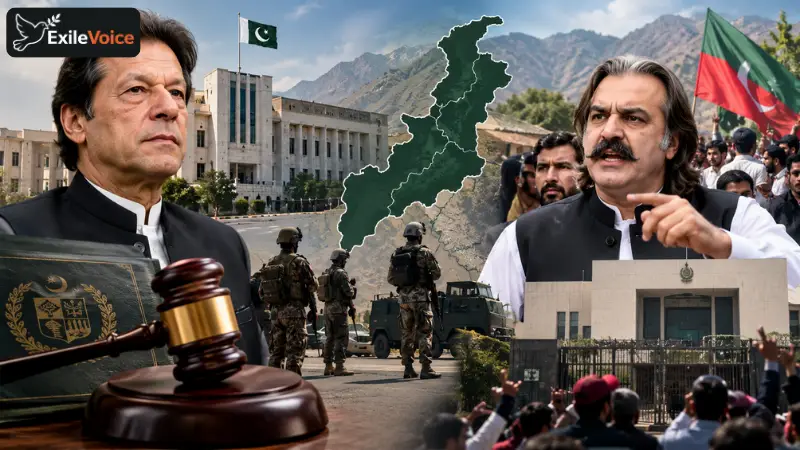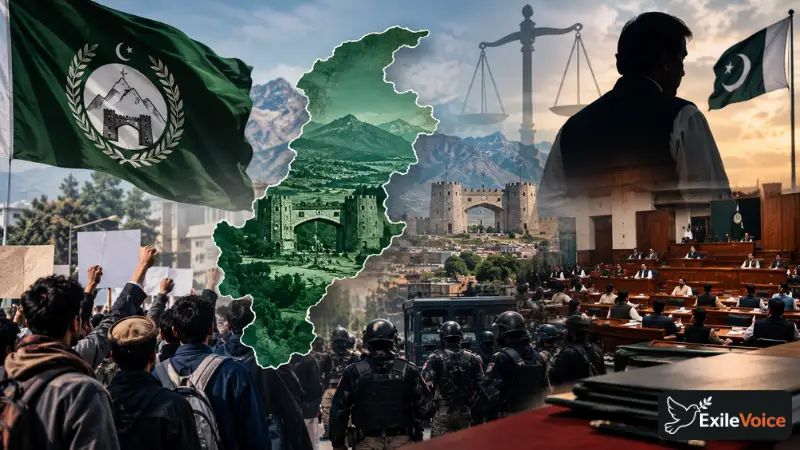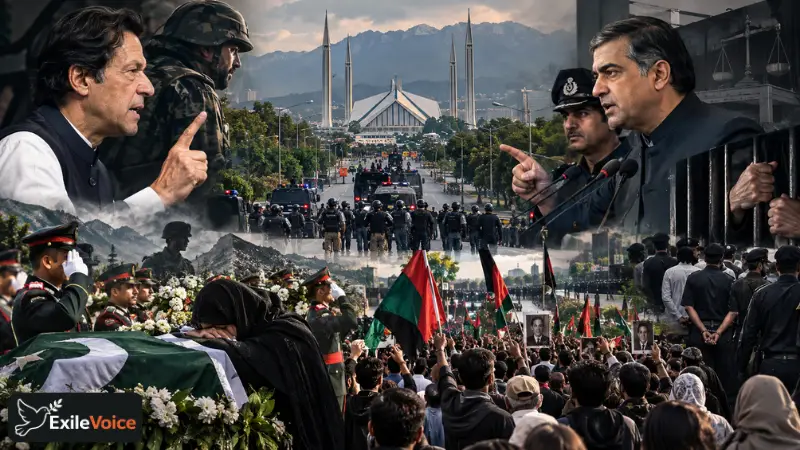
The political landscape in Islamabad is currently defined by intense friction, aggressive security mobilizations, and a deeply polarized rhetorical war surrounding the concept of state martyrdom. As the political opposition prepares for major demonstrations, the state apparatus has responded with an unprecedented show of force. Recent administrative directives have ordered the deployment of over 22,000 security personnel across the federal capital, operating under the command of multiple senior police officials. This massive mobilization is supplemented by the strategic placement of 3,000 additional security forces in bordering districts like Attock to choke off incoming political convoys. The sheer scale of this deployment, coupled with the accommodation of senior security officials in luxury hotels at the taxpayer's expense, highlights the immense financial and operational resources the state is willing to expend to suppress opposition movements.
Beyond the physical deployment of security forces, the political battleground has increasingly shifted into the realm of moral and emotional rhetoric, specifically concerning the treatment of fallen security personnel and political workers. Interior Minister Mohsin Naqvi recently issued stern warnings to the opposition, emphasizing a zero-tolerance policy for the upcoming marches. However, the most incendiary aspect of his address was the accusation that political opposition members have systematically boycotted the funerals of state security personnel. The government is actively utilizing this narrative to paint the opposition as unpatriotic and detached from the sacrifices made by law enforcement officers. This weaponization of grief serves to consolidate public support for the state's aggressive security measures while simultaneously alienating the opposition from the military and police demographics.
In stark contrast, the political opposition has vehemently pushed back against these allegations, offering a counter-narrative steeped in historical grievances and recent human rights controversies. Opposition voices argue that the state itself has a deeply problematic history regarding the handling of fallen individuals. Critics point to numerous instances where the state allegedly manipulated funerary rites and coerced families of deceased political workers into signing affidavits that misrepresented the causes of death. The opposition claims that the state routinely denies families the right to hold public funerals for victims of state violence, choosing instead to enforce secret or rushed burials to avoid public outrage.
This historical critique is further bolstered by references to past military conflicts, such as the Kargil War. Analysts and political figures have cited testimonies from former military officials and regional leaders who claim that the state previously refused to officially recognize the bodies of fallen soldiers to suppress casualty figures. By invoking these historical controversies, the opposition aims to dismantle the state's moral high ground regarding the sanctity of martyrdom. They argue that a state willing to abandon its own soldiers on the battlefield or hide the bodies of politically active citizens has no standing to lecture democratic movements on the ethics of attending funerals.
The situation is further complicated by the ongoing systemic arrests and legislative neutralization of political figures ahead of the planned demonstrations. Lawmakers and local representatives are being detained across multiple jurisdictions, effectively paralyzing the opposition's ability to coordinate and lead their constituencies peacefully. The arbitrary arrests of parliamentarians who happen to be present in the capital underscore a shrinking space for democratic engagement and legal recourse. As the judiciary faces its own internal pressures and allegations of external manipulation, political dissidents find themselves with fewer avenues for justice.
Ultimately, the escalating friction in Islamabad represents a profound crisis of democratic governance. The state's reliance on overwhelming force, mass detentions, and emotional narratives regarding state martyrs reflects a governance model heavily dependent on coercion rather than consensus. Conversely, the opposition's reliance on historical critiques and mass mobilization highlights a deep-seated distrust of state institutions. As security grids tighten and political rhetoric reaches a fever pitch, the capital city braces for a confrontation that will test the resilience of Pakistan's democratic framework and the limits of state authority.