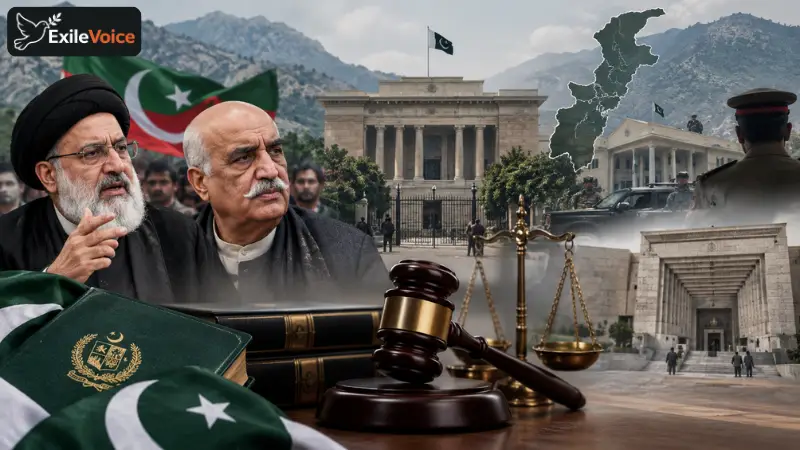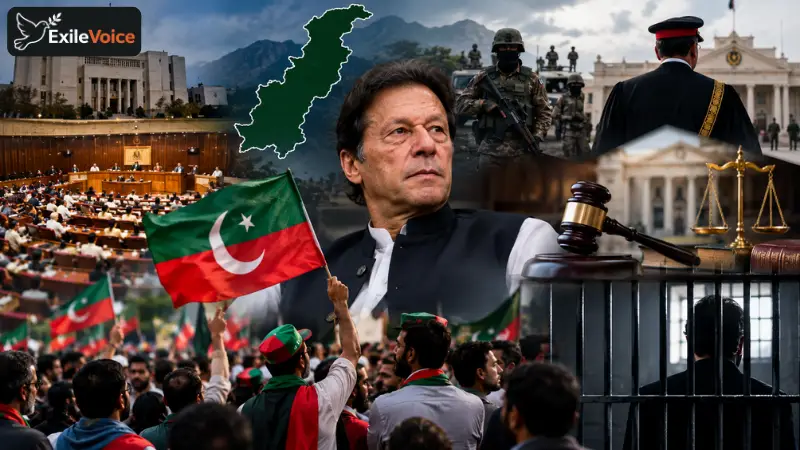
The political landscape of Pakistan has long been defined by intense rhetoric, where narratives are crafted to control public perception and neutralize opposition. A recurring theme in this discourse is the framing of political dissent and the involvement of overseas Pakistanis as harmful to the nation's reputation. By characterizing criticism as "washing dirty laundry" abroad, political actors attempt to delegitimize the grievances of millions of citizens who feel disenfranchised by current administrative practices.
This rhetorical strategy, however, falls apart when scrutinized against the reality of the country's socio-political environment. The proponents of this "silence-at-home" approach often overlook that they themselves have frequently engaged with international actors, sought asylum, or negotiated agreements with foreign entities when it suited their own political survival. To demand that the public remain silent while the state suppresses freedom of speech, ignores the rule of law, and targets political activists is a clear manifestation of double standards.
The crux of the issue lies in the definition of "state interest." When political leaders conflate their personal or institutional interests with the interests of the state, they effectively shield their actions from any form of legitimate criticism. By labeling dissent as "anti-state" or "damaging to national reputation," these actors seek to avoid the scrutiny that is essential in any functioning democracy.
Professional analysis suggests that the attempt to prevent overseas Pakistanis, who contribute significantly to the economy, from speaking out is not driven by a concern for national pride. Rather, it is a defensive reaction to the lack of internal institutional checks. When the domestic mechanisms for justice, such as the courts or independent oversight bodies, are perceived as compromised, the diaspora and international observers become the only remaining forums for accountability.
Furthermore, the dismissal of overseas involvement ignores the fact that these citizens are a crucial part of the national fabric. Their advocacy for democracy, freedom of speech, and the rule of law is a reflection of their desire to see a stable, prosperous homeland. If the government were to ensure the safety and rights of its citizens at home, the need for international intervention or external outcry would naturally diminish.
Ultimately, the "dirty laundry" narrative serves only to mask the underlying governance failures. True professional and political maturity would involve addressing the root causes of public dissatisfaction, such as the suppression of protests, the treatment of media, and the integrity of judicial processes, rather than focusing on silencing those who call attention to these failures.