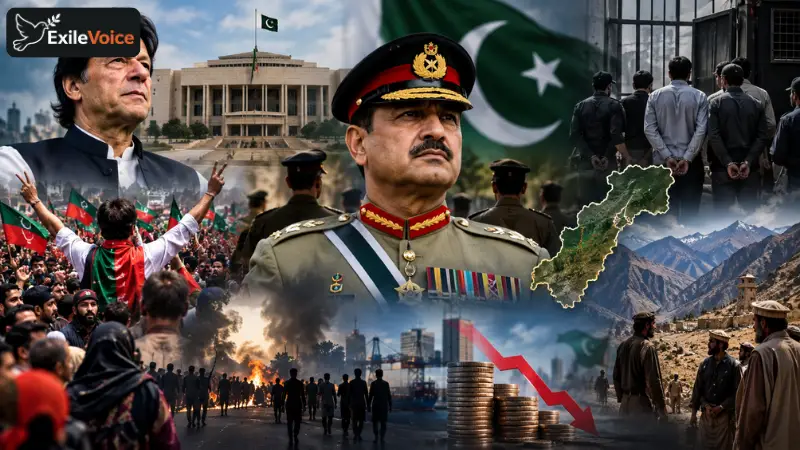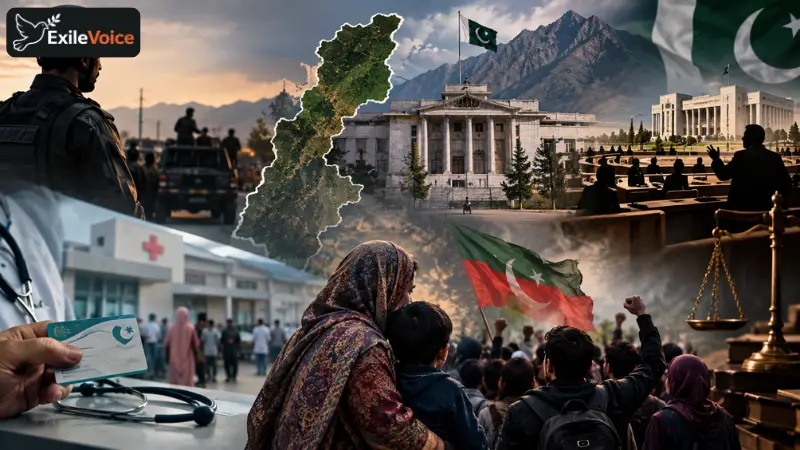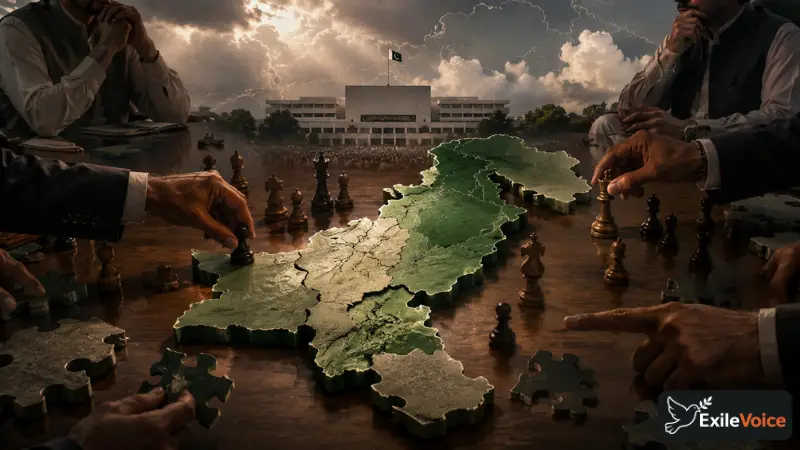
The political landscape of Pakistan is currently undergoing a period of intense scrutiny, particularly surrounding the persistent discourse on the creation of new administrative units and provinces. Discussions on administrative restructuring frequently emerge as critical focal points in national politics, often reflecting deeper structural anxieties, governance challenges, and shifting power equations among major political entities. Analyzing these developments requires a comprehensive look at the motivations, historical context, and potential fallout of such grand political designs on the federation.
At the core of the debate regarding administrative division is the tension between effective governance and political maneuvering. Proponents of creating new provinces often argue that smaller administrative units lead to better resource distribution, improved law enforcement, enhanced local representation, and accelerated development in marginalized regions. Critics and seasoned political analysts, however, frequently point out that such proposals are sometimes weaponized as strategic levers to fragment traditional voting blocks, pressure rival political parties, or divert public attention from pressing economic and structural crises.
The discourse becomes particularly sensitive when examining regional strongholds. In provinces like Sindh and Punjab, the prospect of altering administrative boundaries evokes strong emotional, historical, and political reactions. Parties with entrenched regional bases view any move to redraw administrative lines as an existential threat to their political hegemony. Conversely, marginalized populations within these provinces often express grievances regarding systemic neglect, arguing that centralized provincial power structures fail to deliver basic services to remote or distinct cultural districts. This dichotomy creates a fertile ground for strategic positioning, where national actors leverage regional grievances to advance their broader legislative and electoral objectives.
Furthermore, any serious conversation about administrative restructuring in Pakistan must contend with constitutional requirements and legislative hurdles. Establishing new provinces demands a two-thirds majority in parliament alongside corresponding resolutions passed by the provincial assemblies concerned. Given the current polarized parliamentary environment, achieving such a consensus is an uphill task. This legislative rigidity suggests that public pronouncements and intense media debates surrounding new provinces often serve as pressure tactics rather than immediate legislative blueprints. Political factions utilize these narratives to test public sentiment, gauge the reactions of institutional stakeholders, and position themselves advantageously for future electoral cycles.
Examining the inside story of these political strategies reveals a complex web of negotiations, compromises, and tactical messaging. Political analysts emphasize that public narratives are rarely transparent. Beneath the surface rhetoric of administrative efficiency lie calculations concerning legislative numbers, judicial oversight, and the alignment of key power centers. As the discourse evolves, citizens and stakeholders must look past superficial slogans to understand the underlying structural shifts being negotiated behind closed doors. Ultimately, the debate over new provinces is not merely about administrative boundaries, but rather about the future shape of federalism and the distribution of political authority in Pakistan.