

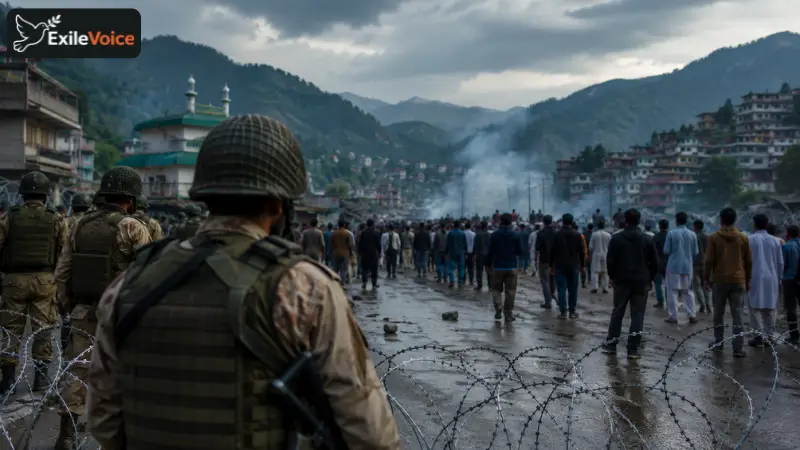
The recent developments in Azad Jammu and Kashmir have brought significant attention to the governance, security measures, and socio-political stability of the region. Local reports and digital testimonies highlight growing civilian concerns regarding safety, communication restrictions, and administrative handling of public dissent. Analysts point out that managing regional tensions requires a delicate balance between state security imperatives and the protection of basic civilian rights. The situation in districts such as Rawalakot, Kotli, and Mirpur has intensified discussions among policy experts, media commentators, and human rights advocates regarding the implications of heavy-handed state responses.
Experts emphasize that sustainable peace and stability in sensitive geopolitical zones depend heavily on transparent communication, political engagement, and addressing the foundational grievances of the local population. When civil unrest is met with restrictive measures rather than constructive dialogue, the gap of trust between the populace and governing authorities widens. Observers note that independent journalism and verified digital reporting play a critical role in bringing these regional realities to light, ensuring that local voices are heard beyond mainstream narratives. Moving forward, policymakers face the complex challenge of fostering regional harmony while upholding the rule of law and ensuring accountability across all administrative tiers.

