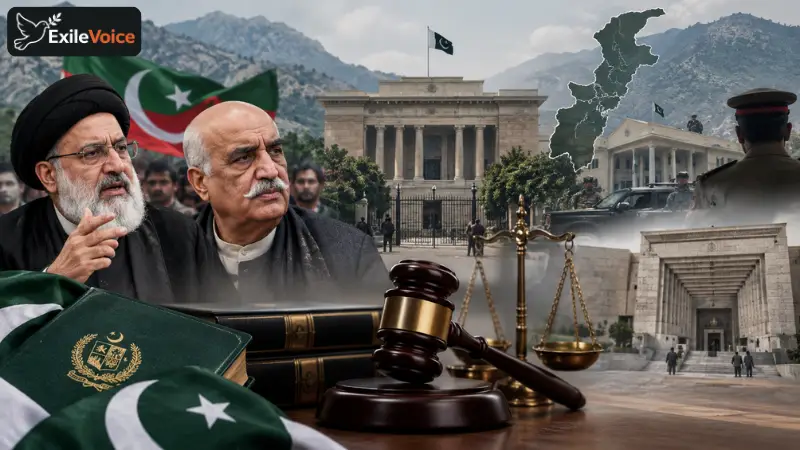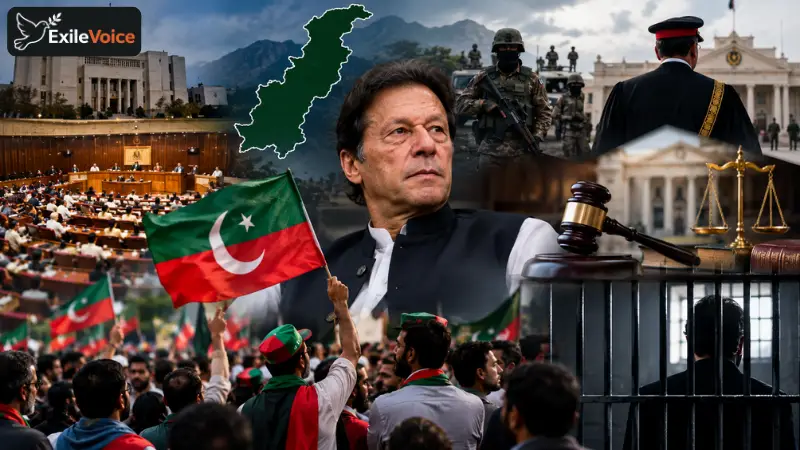
The political landscape of Pakistan is currently defined by intense speculation surrounding proposed constitutional amendments, specifically the 28th Amendment. Reports suggest that key power brokers are actively seeking the support of the Pakistan Tehreek-e-Insaf (PTI) to ensure the passage of these legislative changes. This move is viewed by many as an attempt to lend legitimacy to the current government, which critics argue lacks a clear public mandate.
The strategy appears to involve a mixture of incentives and pressure tactics. There have been reports that, in exchange for support on the amendment, political leadership might facilitate the resolution of legal issues for incarcerated opposition figures and improve conditions for their treatment. This approach highlights the transactional nature of contemporary Pakistani politics, where constitutional processes are often intertwined with personal and political interests.
Opposition to these moves remains robust. Many voices within the opposition stress that aligning with the current system, which they characterize as illegitimate, would be a betrayal of their political stance and a compromise of their integrity. The potential for the amendment to include provisions for the creation of new provinces has further complicated the situation, drawing mixed reactions from different political factions.
The role of the judiciary and the media has also come under scrutiny. Recent comments by members of the judiciary regarding their judgments have sparked heated debates, with critics arguing that the integrity of the judicial process is being undermined by perceived political interference. Simultaneously, the media landscape is struggling to navigate the complexities of reporting on these developments, as sources frequently change positions, leading to challenges in maintaining journalistic credibility.
As the country moves toward a period of intense political activity, the focus remains on whether political actors will prioritize short-term gains or long-term systemic stability. The outcome of these negotiations will have profound implications for the structure of governance and the future trajectory of Pakistan’s democracy.