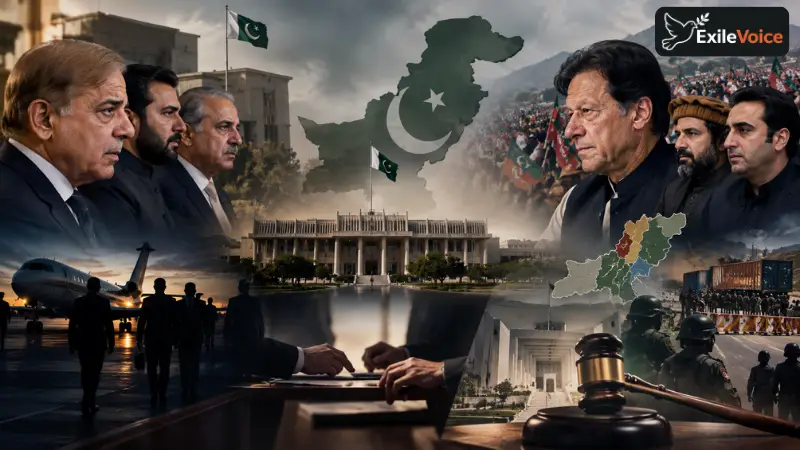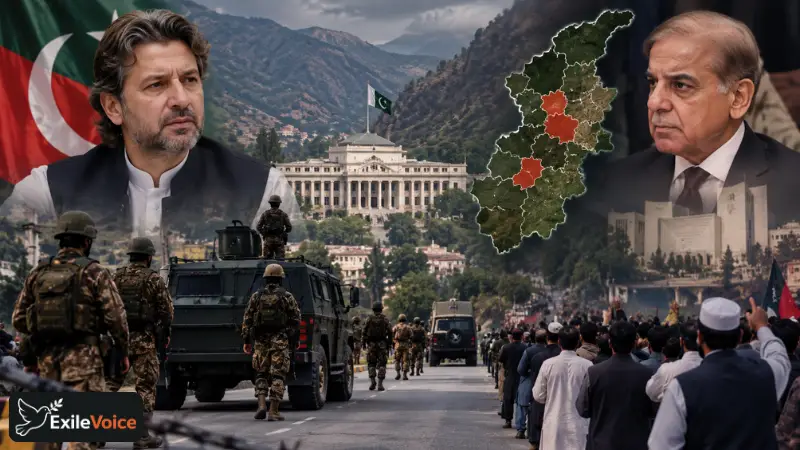
Contemporary political discourse increasingly reflects the complex interplay between transnational leadership activities, domestic policy shifts, and demands for institutional accountability. Political movements worldwide frequently navigate the challenges of coordinating strategies across international borders while addressing pressing internal governance concerns. Observers of regional politics note that leadership transitions, foreign travels of prominent political figures, and international engagements often coincide with heightened debates regarding domestic administrative efficiency and judicial oversight.
In many developing democratic systems, the centralization of executive authority and legislative amendments designed to restructure governance frameworks generate intense polarization. Critics argue that sweeping legal changes affecting judicial independence or administrative boundaries can weaken institutional checks and balances. Conversely, proponents of structural reforms contend that targeted adjustments are necessary to streamline governance and enhance policy execution. These divergent perspectives highlight the ongoing tension between maintaining established democratic norms and implementing administrative overhauls.
Moreover, transparency in political financing, public accountability, and the role of institutional checks remain central to public discourse. As political factions engage in large-scale mobilization and strategic planning, civil society and independent analysts continue to scrutinize the alignment between leadership rhetoric and institutional performance. Strengthening democratic governance requires robust oversight mechanisms, adherence to constitutional principles, and an unwavering commitment to public transparency, ensuring that political systems remain responsive to the needs of the citizenry.