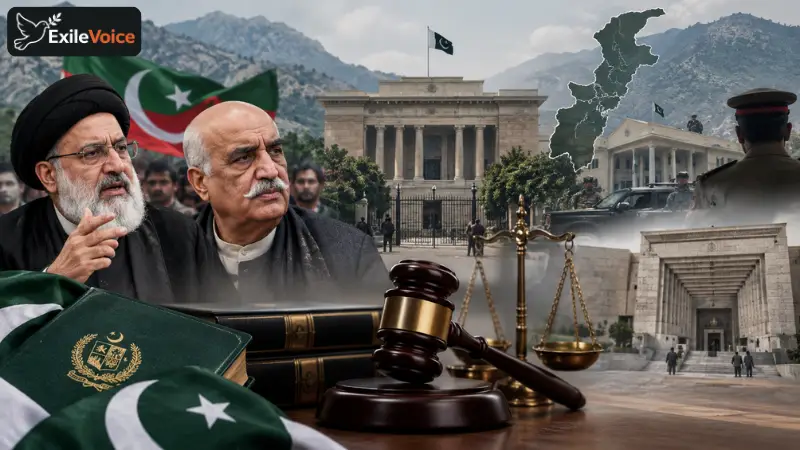
The recent legislative developments in the Khyber Pakhtunkhwa (KP) Assembly regarding a bill concerning the privileges of lawmakers have ignited a fierce backlash from the public and political commentators. The bill, which proposed wide-ranging perks for members of the Provincial Assembly (MPAs), including lifetime diplomatic (blue) passports for members and their spouses, access to government rest houses, business class air travel, and exclusive security protocols, was initially framed by its supporters as a necessary administrative measure.
However, the public perception was immediate and negative, viewing the bill as an "elitist" move that ignores the economic realities facing the common citizen. Despite initial claims from proponents that the bill would be reconsidered or amended due to the immense public pressure, critics argue that the subsequent changes were merely cosmetic. The "amended" version reportedly replaces "lifetime" privileges with "tenure-based" privileges, a distinction many observers argue is functionally irrelevant, as the core benefits remain intact.
This incident serves as a critical case study in the gap between the governing class and the citizenry in Pakistan. Critics have pointed out that while such perks are defended by some as standard practice, the disparity in compensation and benefits between Pakistani parliamentarians and their counterparts in neighboring countries is stark. When compared to the salary structures of lawmakers in India, Bangladesh, Sri Lanka, and Nepal, the level of state-funded luxury and privileges in Pakistan stands out significantly.
Furthermore, the defense of these privileges by some political figures is often undermined by their own rhetoric. Many lawmakers who champion populist causes or criticize the "elite capture" of the state are themselves seen as beneficiaries of the very systems they claim to oppose. This contradiction fuels public cynicism and highlights the challenges of implementing genuine governance reforms in a political culture that often prioritizes the comfort and status of the legislative class over public service.